
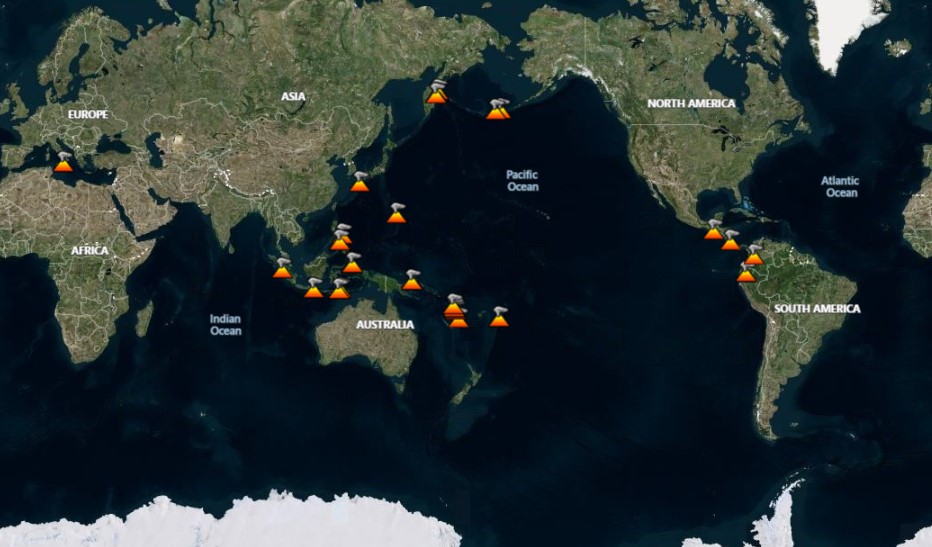
The Weekly Volcanic Activity Report is a cooperative project between the Smithsonian's Global Volcanism Program and the US Geological Survey's Volcano Hazards Program. Updated by 2300 UTC every Thursday (changed from Wednesdays starting in January 2026) and averaging 16 reported volcanoes, this is not a comprehensive list of all eruptions this week, but rather a summary of activity that meet criteria discussed in the "Criteria and Disclaimers" section below.
Volcanic activity reported here is preliminary and subject to change. Carefully reviewed, detailed narratives over longer time periods are published as reports of the Bulletin of the Global Volcanism Network available through volcano profile pages.
| Name | Country | Volcanic Region | Eruption Start Date | Report Type |
|---|---|---|---|---|
| Kīlauea | United States | Hawaiian-Emperor Hotspot Volcano Group | 2024 Dec 23 | New Eruptive Activity |
| Merapi | Indonesia | Sunda Volcanic Arc | 2020 Dec 31 | New Eruptive Activity |
| Öræfajökull | Iceland | Iceland Neovolcanic Rift Volcanic Province | — | New Eruptive Activity |
| Piton de la Fournaise | France | Reunion Hotspot Volcano Group | — | New Eruptive Activity |
| Sangeang Api | Indonesia | Sunda Volcanic Arc | — | New Eruptive Activity |
| Aira | Japan | Ryukyu Volcanic Arc | 2017 Mar 25 | Continuing Eruptive Activity |
| Bagana | Papua New Guinea | Bougainville Volcanic Arc | 2000 Feb 28 (in or before) | Continuing Eruptive Activity |
| Dukono | Indonesia | Halmahera Volcanic Arc | 1933 Aug 13 | Continuing Eruptive Activity |
| Ebeko | Russia | Kuril Volcanic Arc | — | Continuing Eruptive Activity |
| Fuego | Guatemala | Central America Volcanic Arc | 2002 Jan 4 | Continuing Eruptive Activity |
| Karymsky | Russia | Eastern Kamchatka Volcanic Arc | — | Continuing Eruptive Activity |
| Kirishimayama | Japan | Ryukyu Volcanic Arc | — | Continuing Eruptive Activity |
| Langila | Papua New Guinea | Bismarck Volcanic Arc | 2015 Oct 22 (?) | Continuing Eruptive Activity |
| Popocatépetl | Mexico | Trans-Mexican Volcanic Arc | 2005 Jan 9 | Continuing Eruptive Activity |
| Reventador | Ecuador | Northern Andean Volcanic Arc | 2008 Jul 27 | Continuing Eruptive Activity |
| Sabancaya | Peru | Central Andean Volcanic Arc | 2025 Sep 13 | Continuing Eruptive Activity |
| Sheveluch | Russia | Eastern Kamchatka Volcanic Arc | 1999 Aug 15 | Continuing Eruptive Activity |
| Stromboli | Italy | Aeolian Volcanic Arc | 1934 Feb 2 | Continuing Eruptive Activity |
| Suwanosejima | Japan | Ryukyu Volcanic Arc | 2004 Oct 23 | Continuing Eruptive Activity |
| Turrialba | Costa Rica | Central America Volcanic Arc | — | Continuing Eruptive Activity |
Kīlauea (United States) | 9 May-15 May 2018 | New Eruptive Activity
|
|
 Kīlauea KīlaueaHawaiian-Emperor Hotspot Volcano Group |
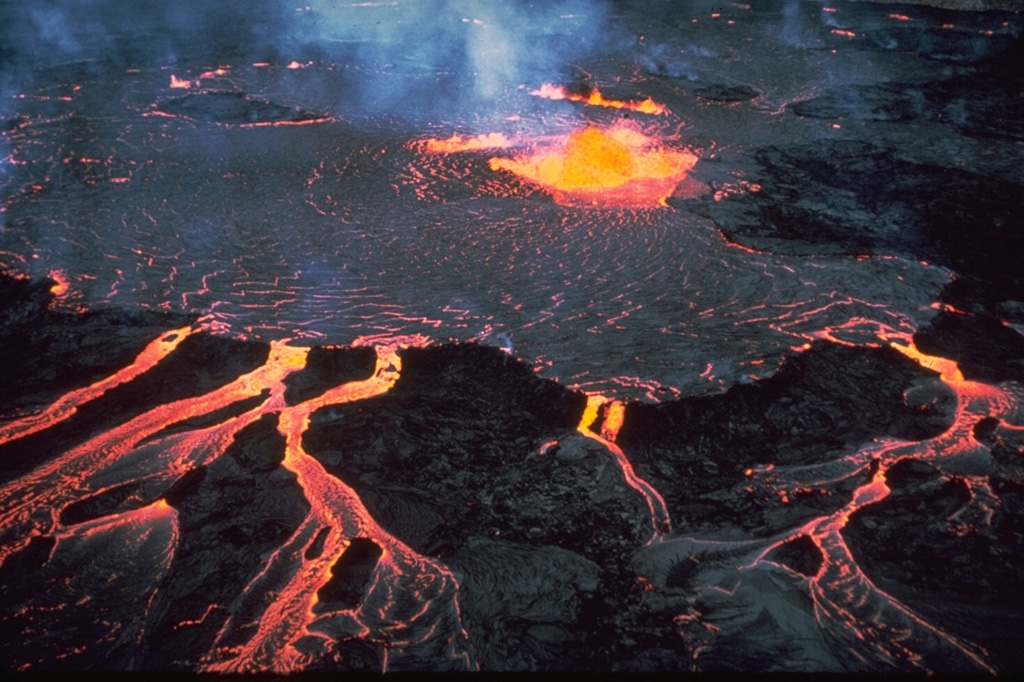
On 9 May the intermittent eruption of lava in Leilani Estates in the lower East Rift Zone (ERZ) of Kīlauea continued. In the northeast part of the area, fissure 15 extended across Poihiki Road, generating a pāhoehoe flow about 20 m (66 ft) long. In the summit caldera, steady lowering of the Overlook Crater lava lake within Halemaʻumaʻu crater raised the potential for steam-driven explosions if the lava column dropped to the groundwater level and allowed water into the conduit. On 10 and 11 May, little new extrusive activity was noted from the ERZ fissures, though there were continued earthquakes, ground deformation, and considerable gas discharge. Tiltmeters recorded ongoing deflation and the Overlook crater lava level continued to drop.
Sources: US Geological Survey Hawaiian Volcano Observatory (HVO), Hawaii Emergency Management Agency, Hawaii County Civil Defense Agency |
Merapi (Indonesia) | 9 May-15 May 2018 | New Eruptive Activity
|
|
 Merapi MerapiSunda Volcanic Arc |
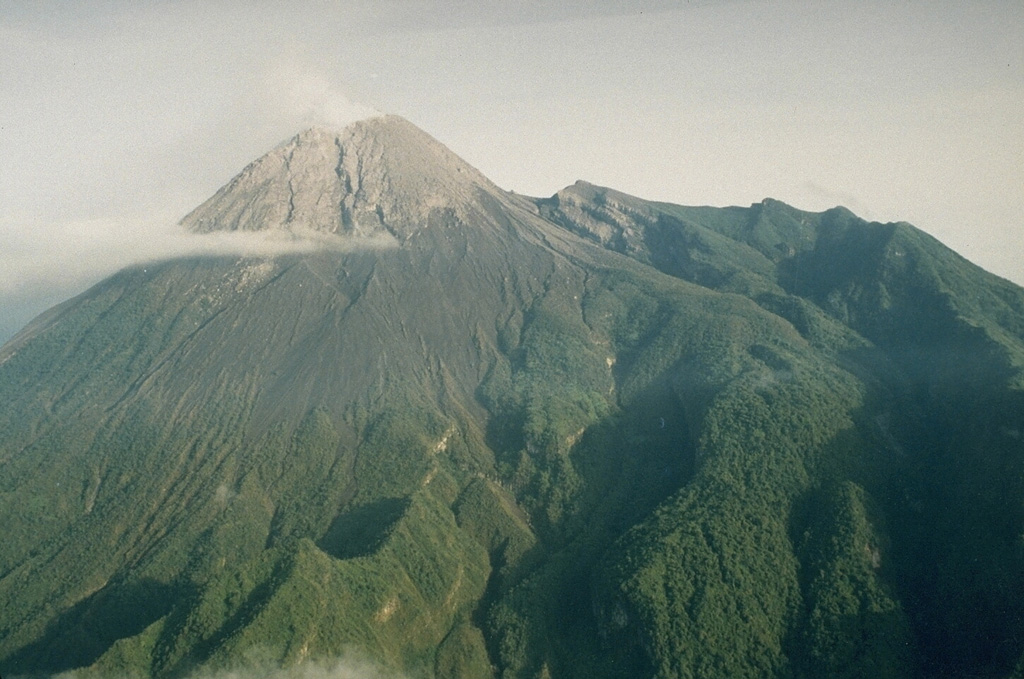
PVMBG reported that an explosive eruption occurred at 0740 on 11 May. The eruption began with a small roar and vibrations that were felt at the observation post for 10 minutes. The eruption plume rose to 5.5 km (18,000 ft) above the peak. There was no seismic precursor and no seismic activity continued after the event. PVMBG did not change the alert level from Green/Normal; they interpreted the event as a minor eruption triggered by the accumulation of volcanic gases unlikely to be followed by further eruptions. Sources: Pusat Vulkanologi dan Mitigasi Bencana Geologi (PVMBG, also known as CVGHM), Jakarta Post |
Öræfajökull (Iceland) | 9 May-15 May 2018 | New Eruptive Activity
|
|
 Öræfajökull ÖræfajökullIceland Neovolcanic Rift Volcanic Province |
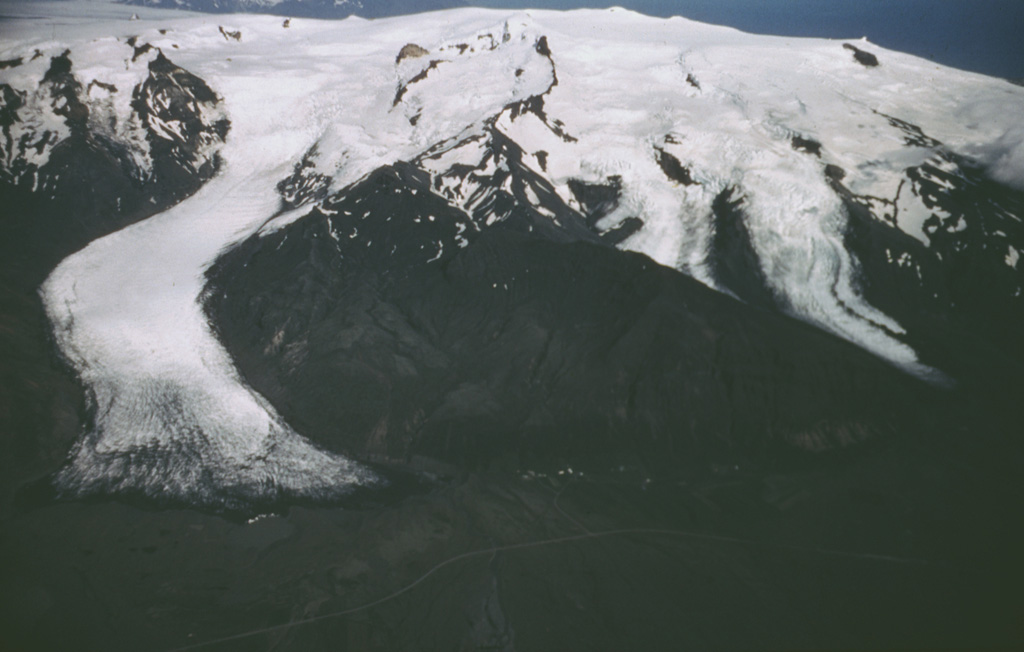
On 4 May, the Icelandic Met Office reduced the Aviation Color Code at Öræfajökull from Yellow to Green due to signs of reduced activity. Since September 2017 there has been less earthquake activity, stable hydrological and geochemical measurements, and reduced geothermal heat output. There has been possible minor ongoing inflation, but no signs of an imminent eruption. |
Piton de la Fournaise (France) | 9 May-15 May 2018 | New Eruptive Activity
|
|
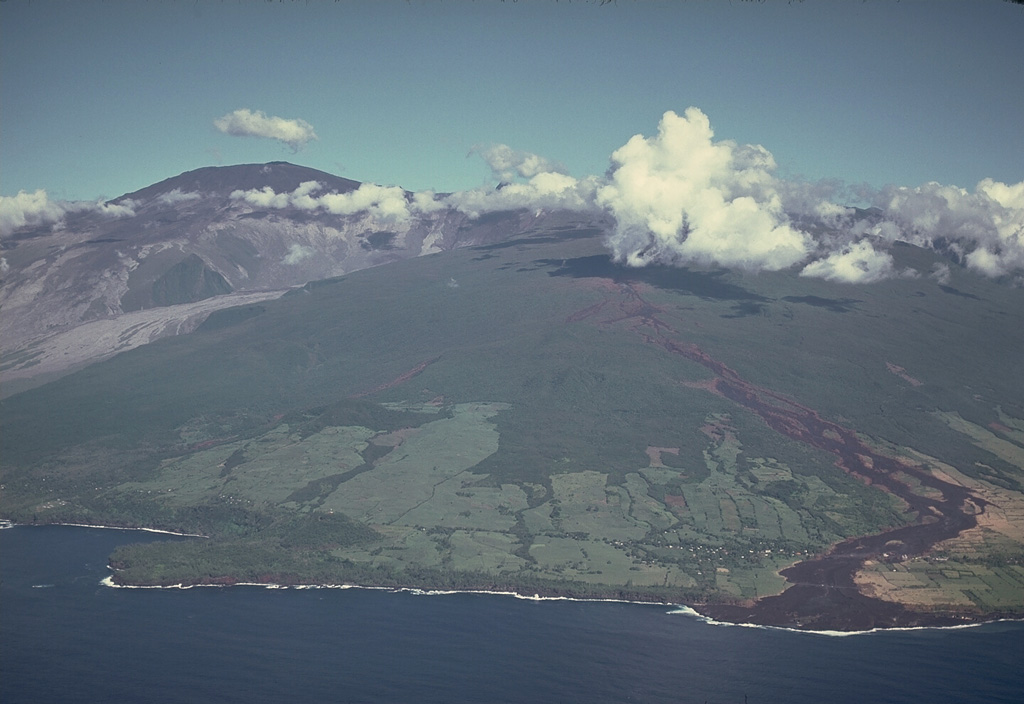 Piton de la Fournaise Piton de la FournaiseReunion Hotspot Volcano Group |
OVPF reported that the eruption at Piton de la Fournaise, which began on 27 April from fissures at Rivals Crater, continued through 15 May. Field reconnaissance on 10 May revealed that activity was focused on the main cone, with some activity from a second cone that was ejecting material 10-20 m high. Over the next two days the crater of the main cone narrowed and lava projections at both cones became rare. Lava flows during this time were often confined to tubes, with some breakouts at the change in slope below Piton de Bert, about 3 km from the active cone. Burning vegetation as a result of the breakouts was visible on and at the foot of the rampart. Based on satellite data when surface flows were visible, lava emission rates were estimated to be about 1-2 cubic meters/second. Tremor intensity fluctuated over the week, with a sharp increase during 0500 and 0900 on 15 May. Source: Observatoire Volcanologique du Piton de la Fournaise (OVPF) |
Sangeang Api (Indonesia) | 9 May-15 May 2018 | New Eruptive Activity
|
|
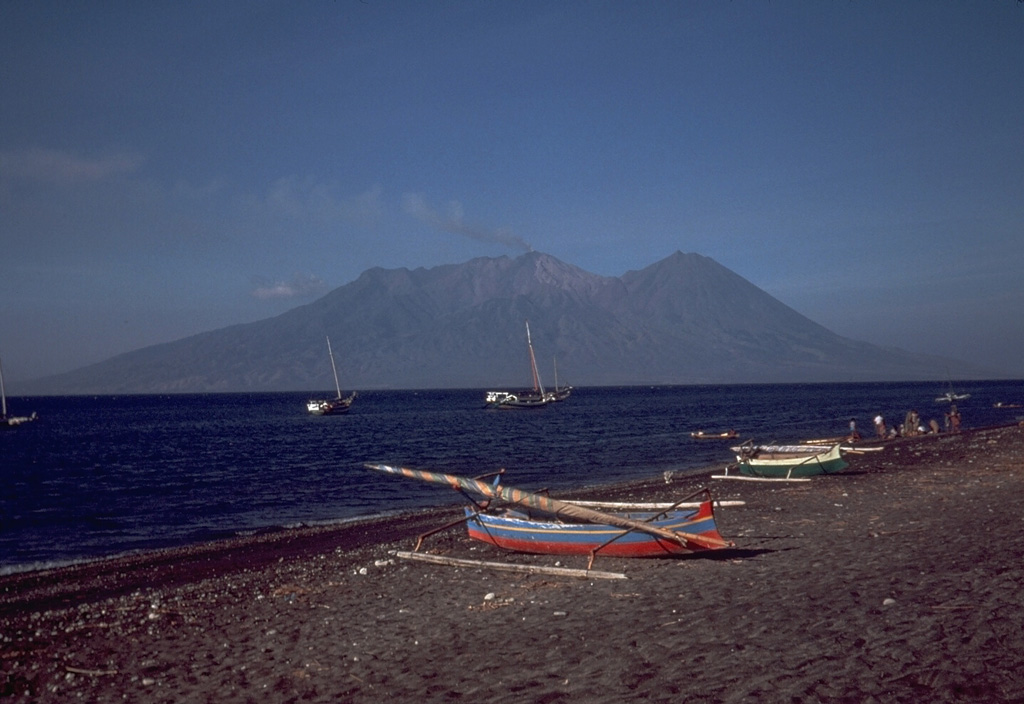 Sangeang Api Sangeang ApiSunda Volcanic Arc |
Based on a VONA from PVMBG, on 9 May a gas emission was observed at 1807 from Sangeang Api that rose to 4,150 m (13,000 ft) a.s.l. and drifted west. On 9 May the Aviation Color Code was changed from unassigned to Yellow. Sources: Darwin Volcanic Ash Advisory Centre (VAAC), Pusat Vulkanologi dan Mitigasi Bencana Geologi (PVMBG, also known as CVGHM) |
Aira (Japan) | 9 May-15 May 2018 | Continuing Eruptive Activity
|
|
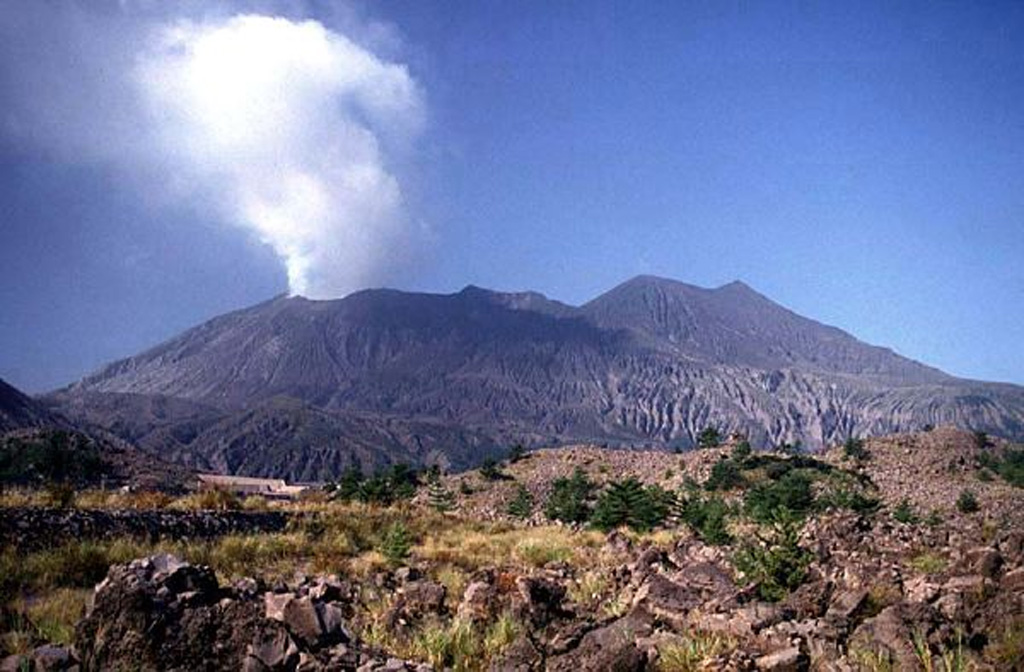 Aira AiraRyukyu Volcanic Arc |
JMA reported that during 7-11 May there were 12 events, three of which were explosions, at Minamidake crater (at Aira caldera’s Sakurajima volcano). Tephra was ejected as far as 700 m from the crater, and ash plumes rose as high as 2.8 km (9,200 ft) above the crater rim. The Alert Level remained at 3 (on a 5-level scale). |
Bagana (Papua New Guinea) | 9 May-15 May 2018 | Continuing Eruptive Activity
|
|
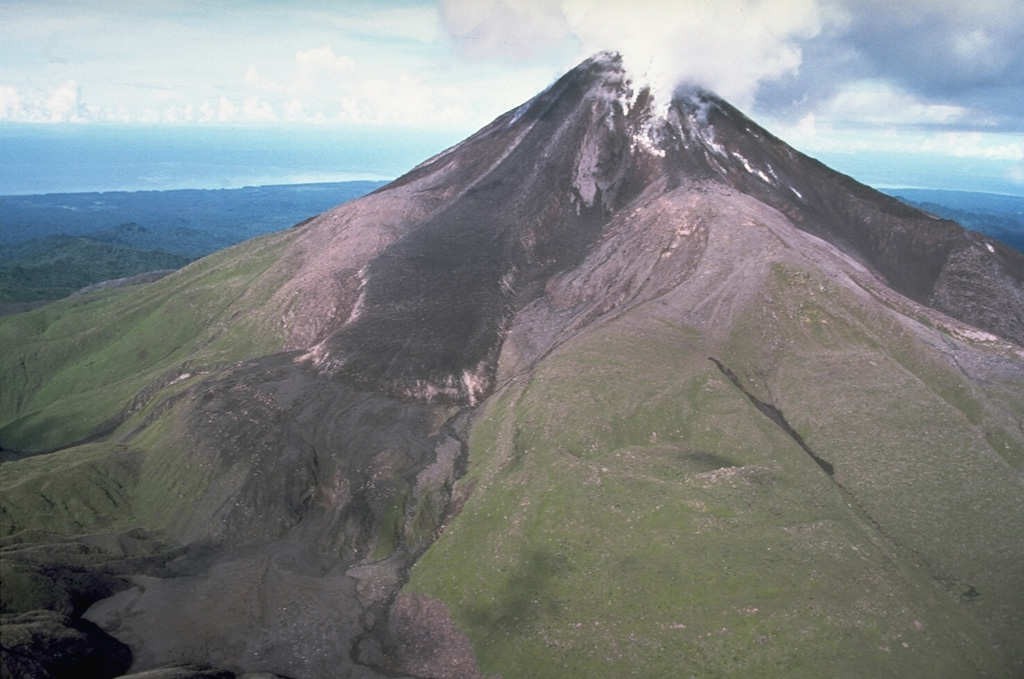 Bagana BaganaBougainville Volcanic Arc |
Based on analyses of satellite imagery and model data, the Darwin VAAC reported that on 11 May at 0900 an ash plume from Bagana rose to an altitude of 2.1 km (7,000 ft) a.s.l. and drifted SW. The plume dispersed within six hours. |
Dukono (Indonesia) | 9 May-15 May 2018 | Continuing Eruptive Activity
|
|
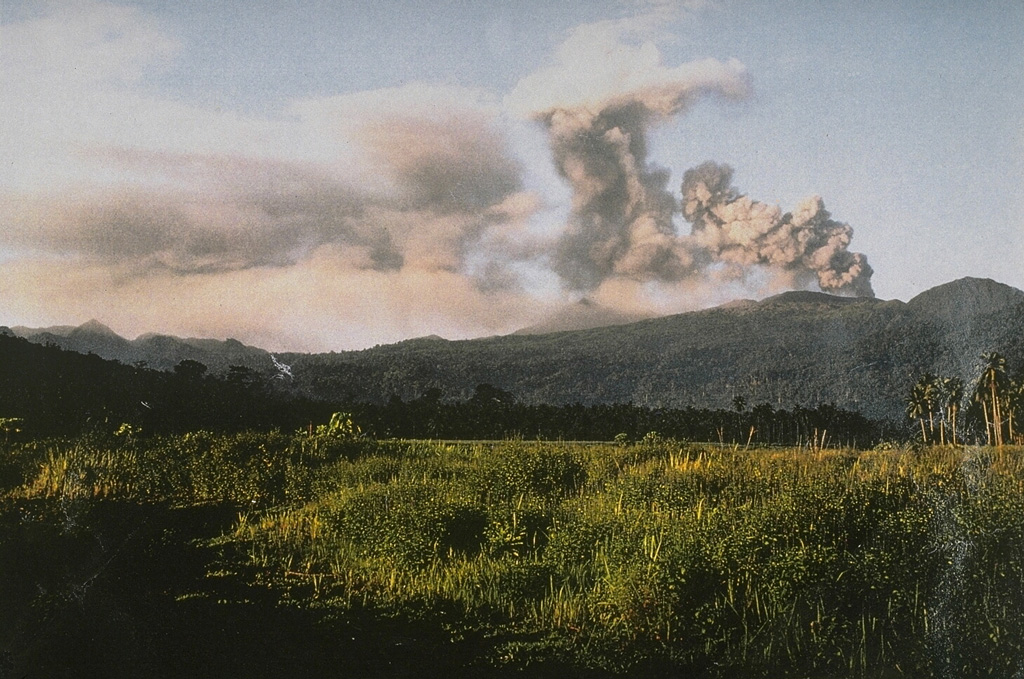 Dukono DukonoHalmahera Volcanic Arc |
Based on analyses of satellite imagery, wind model data, and notices from PVMBG, the Darwin VAAC reported that during 9-15 May ash plumes from Dukono rose to altitudes of 1.5-2 km (4,500-6,000 ft) a.s.l. and drifted E and S. |
Ebeko (Russia) | 9 May-15 May 2018 | Continuing Eruptive Activity
|
|
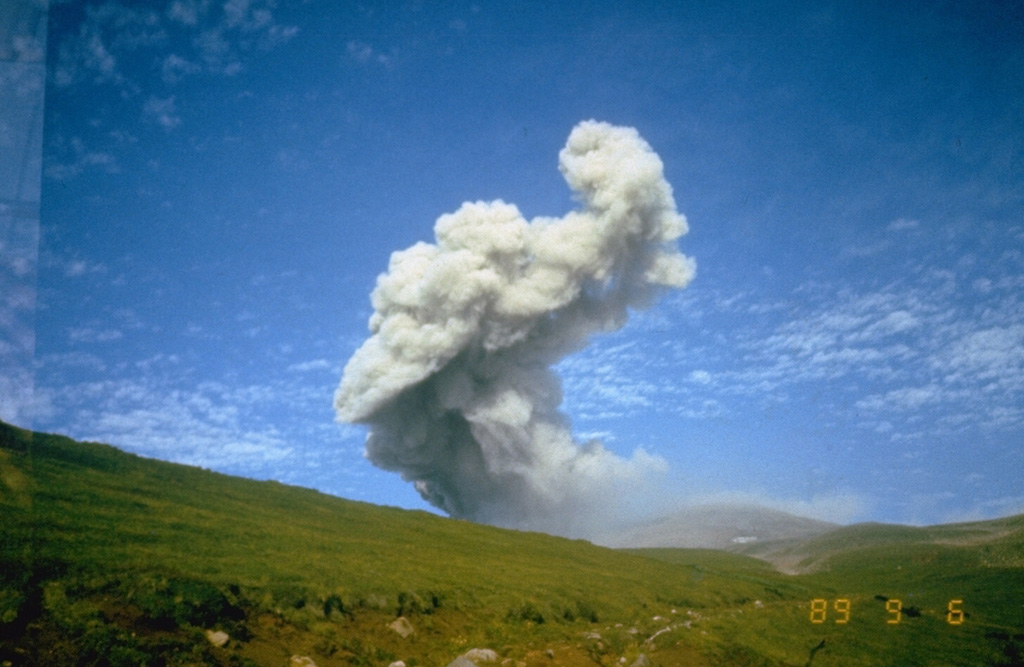 Ebeko EbekoKuril Volcanic Arc |
Volcanologists in Severo-Kurilsk (Paramushir Island), about 7 km E of Ebeko, observed explosions at Ebeko on 4 May and during 6-10 May that sent ash plumes as high as 2.4 km (7,875 ft) a.s.l. The Aviation Color Code remained at Orange (the second highest level on a four-color scale). |
Fuego (Guatemala) | 9 May-15 May 2018 | Continuing Eruptive Activity
|
|
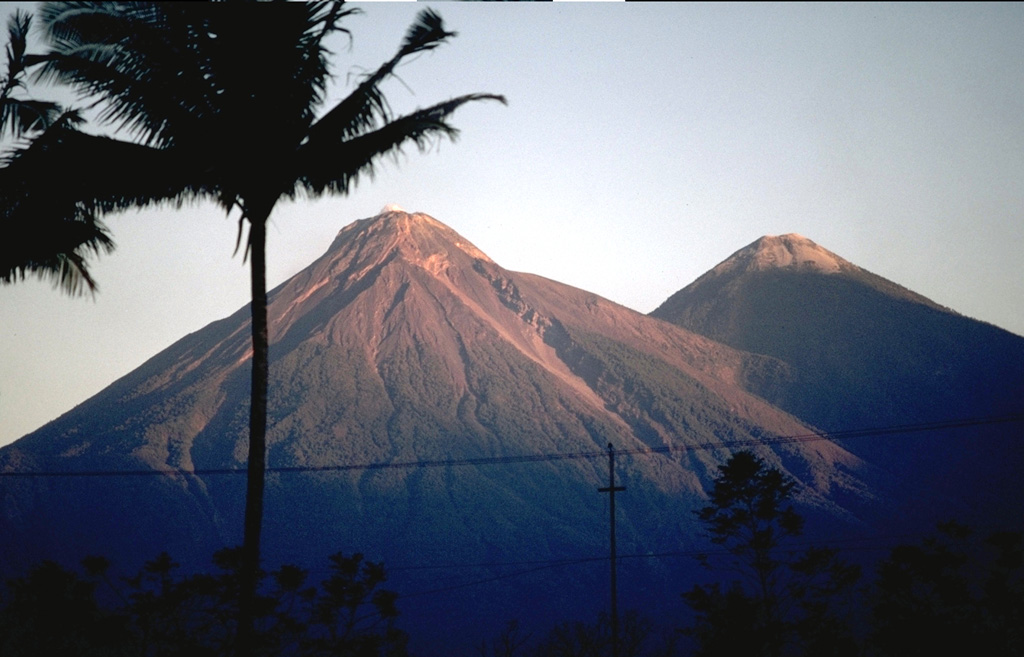 Fuego FuegoCentral America Volcanic Arc |
Small ash explosions at Fuego on 11 and 12 May rose to 5 km (15,000 ft) a.s.l., or approximately 1 km (3,280 ft) above the summit. The ash dispersed quickly to the southwest and was visible on webcams. Sources: Instituto Nacional de Sismologia, Vulcanologia, Meteorologia, e Hidrologia (INSIVUMEH), Washington Volcanic Ash Advisory Center (VAAC) |
Karymsky (Russia) | 9 May-15 May 2018 | Continuing Eruptive Activity
|
|
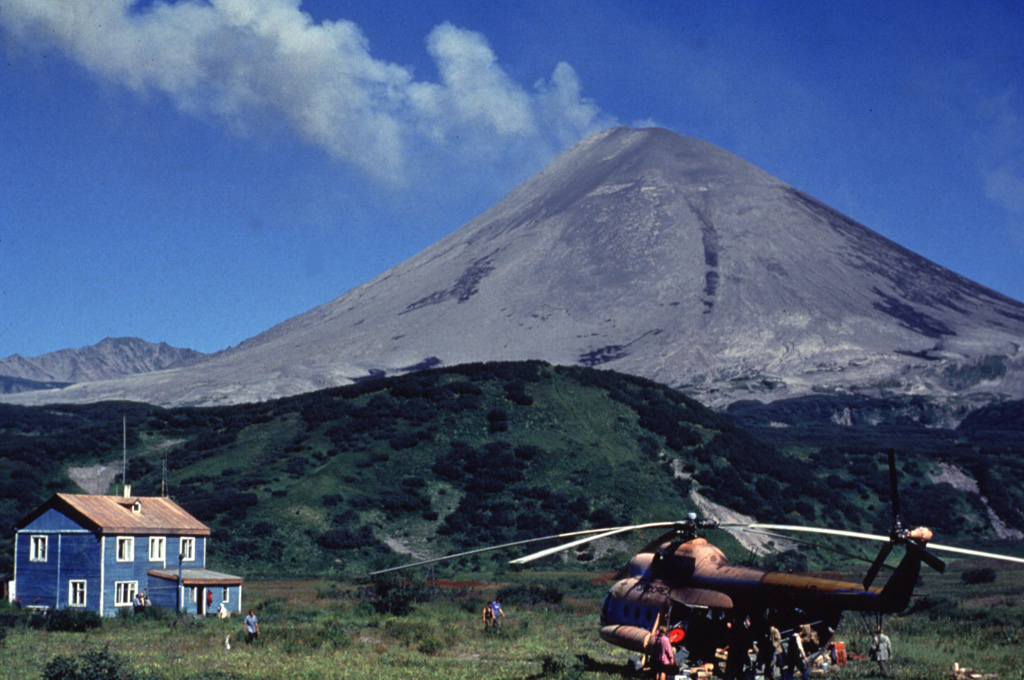 Karymsky KarymskyEastern Kamchatka Volcanic Arc |
Based on satellite data, KVERT reported that during 11-14 May explosions at Karymsky generated ash plumes that rose as high as 3.5 km (11,500 ft) and drifted 145 km SW. The Aviation Color Code remained at Orange (the second highest level on a four-color scale). |
Kirishimayama (Japan) | 9 May-15 May 2018 | Continuing Eruptive Activity
|
|
 Kirishimayama KirishimayamaRyukyu Volcanic Arc |
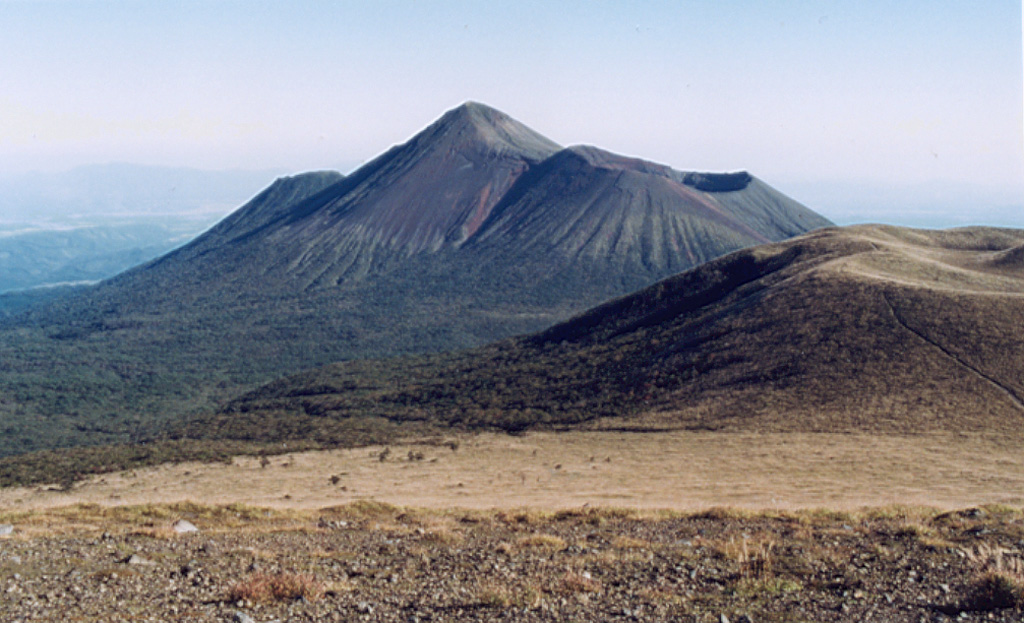
JMA reported that at Shinmoedake (Shinmoe peak), a stratovolcano of the Kirishimayama volcano group, an eruption occurred between 1444 and 1610 on 14 May. The plume rose to 4.5 km (15,000 ft) above the crater and drifted SE. A pyroclastic flow travelled 2 km down the flank. Volcanic earthquake rates under the crater increased after the eruption. Shallow, low-frequency earthquakes and tremor were also reported. The Alert Level remained at 3 (on a scale of 1-5). |
Langila (Papua New Guinea) | 9 May-15 May 2018 | Continuing Eruptive Activity
|
|
 Langila LangilaBismarck Volcanic Arc |
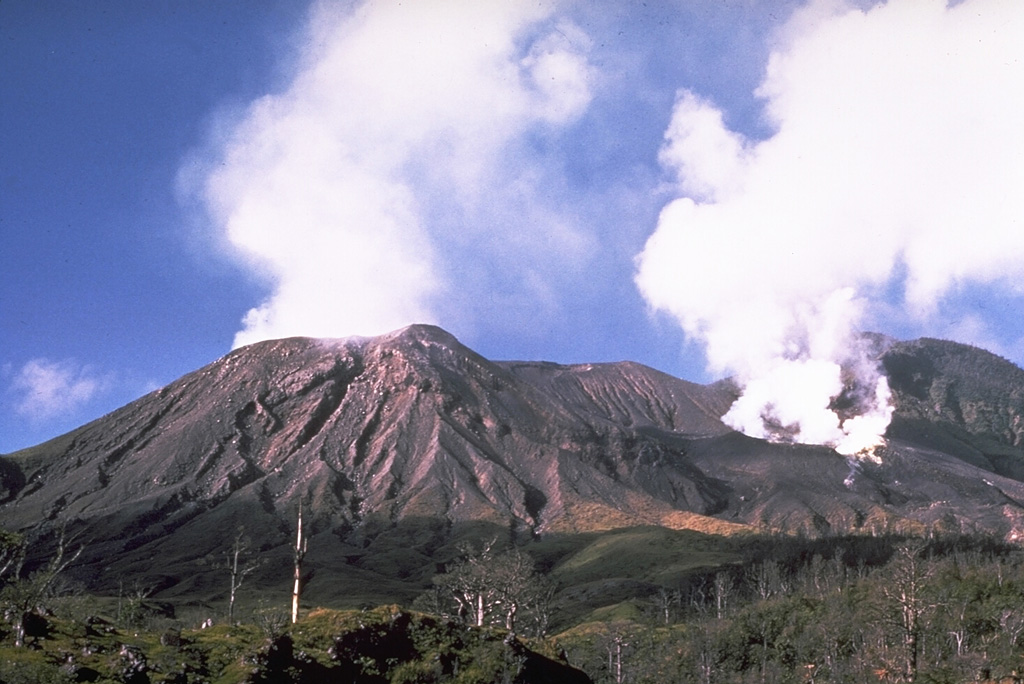
Based on analyses of satellite imagery and model data, the Darwin VAAC reported that on 13 May at 0709 an ash plume from Langila rose to an altitude of 5.5 km (17,000 ft) a.s.l. and drifted W. An image acquired around six hours later indicated that the ash from the event had dissipated. |
Popocatépetl (Mexico) | 9 May-15 May 2018 | Continuing Eruptive Activity
|
|
 Popocatépetl PopocatépetlTrans-Mexican Volcanic Arc |
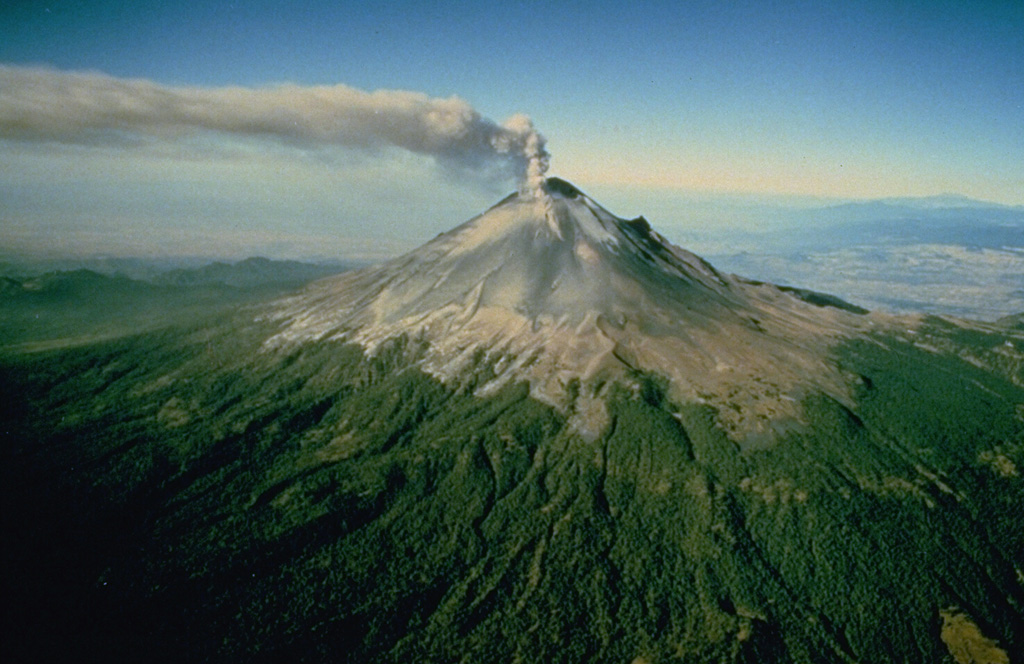
CENAPRED reported that each day during 9-15 May there were 51-137 steam and gas emissions from Popocatépetl as well as ongoing incandescence from the summit. Additionally, three explosions were recorded: at 1834 on 11 May, at 0912 on 11 May, and at 1452 on 14 May. These explosions dispersed ash to the S and SW. Volcano-tectonic earthquakes with magnitudes up to M 2.8 also occurred throughout the time period. Source: Centro Nacional de Prevencion de Desastres (CENAPRED) |
Reventador (Ecuador) | 9 May-15 May 2018 | Continuing Eruptive Activity
|
|
 Reventador ReventadorNorthern Andean Volcanic Arc |
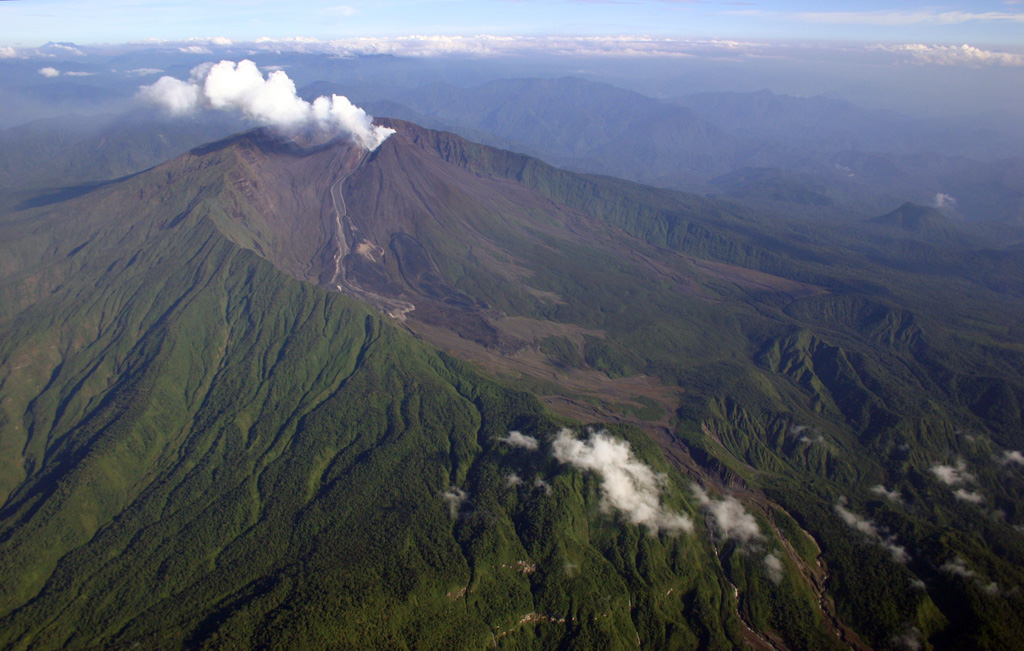
During 9-15 May, IG reported ongoing high levels of eruptive activity at Reventador. Steam, gas, and ash emissions continued, with plumes moving to the N and W. On 12 and 13 May, a small lava flow was observed on the E flank 700 m below the summit. Source: Instituto Geofísico-Escuela Politécnica Nacional (IG-EPN) |
Sabancaya (Peru) | 9 May-15 May 2018 | Continuing Eruptive Activity
|
|
 Sabancaya SabancayaCentral Andean Volcanic Arc |
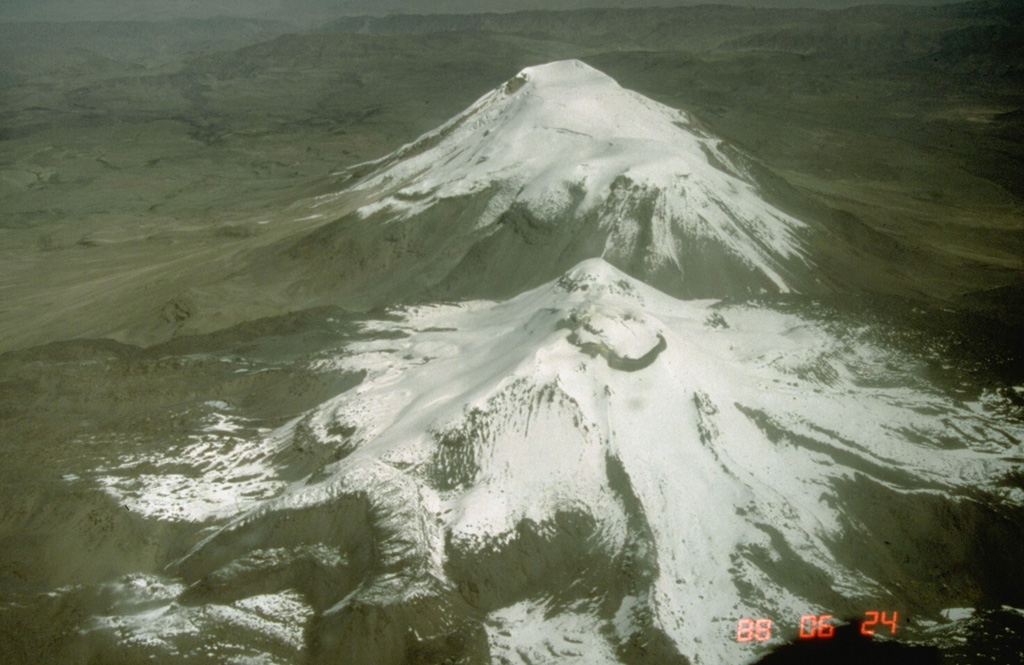
Intermittent ash and gas emissions at Sabancaya during 9-15 May were reported by the Buenos Aires VAAC, with plume altitudes reaching 7-9 km (2,300-3,000 ft) a.s.l. |
Sheveluch (Russia) | 9 May-15 May 2018 | Continuing Eruptive Activity
|
|
 Sheveluch SheveluchEastern Kamchatka Volcanic Arc |
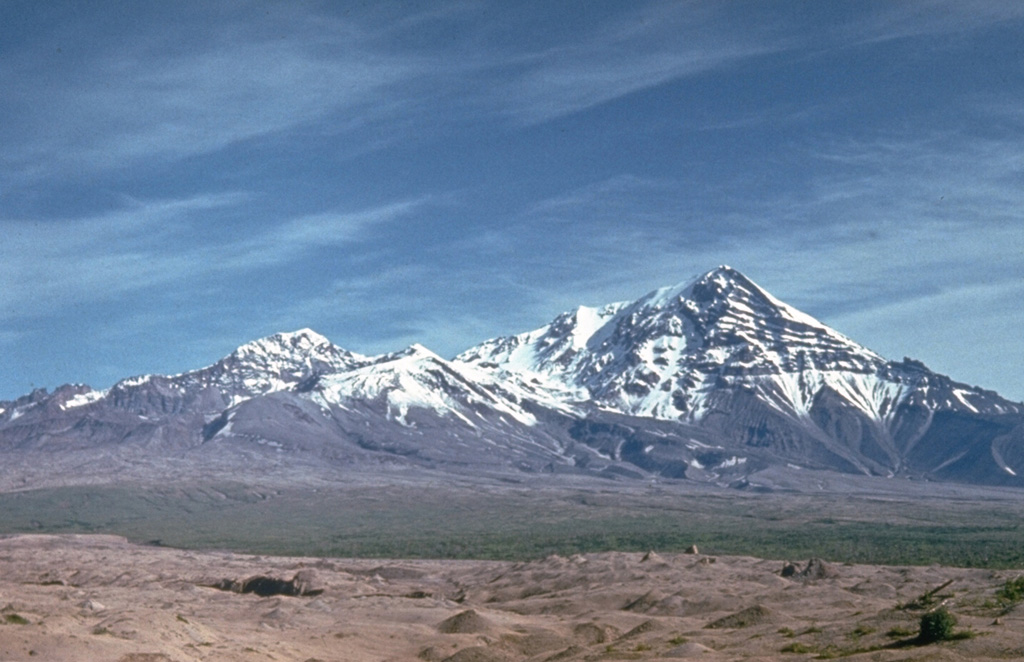
KVERT reported that a weak thermal anomaly over Sheveluch was identified in satellite images during 10-14 May. The Aviation Color Code remained at Orange. |
Stromboli (Italy) | 9 May-15 May 2018 | Continuing Eruptive Activity
|
|
 Stromboli StromboliAeolian Volcanic Arc |
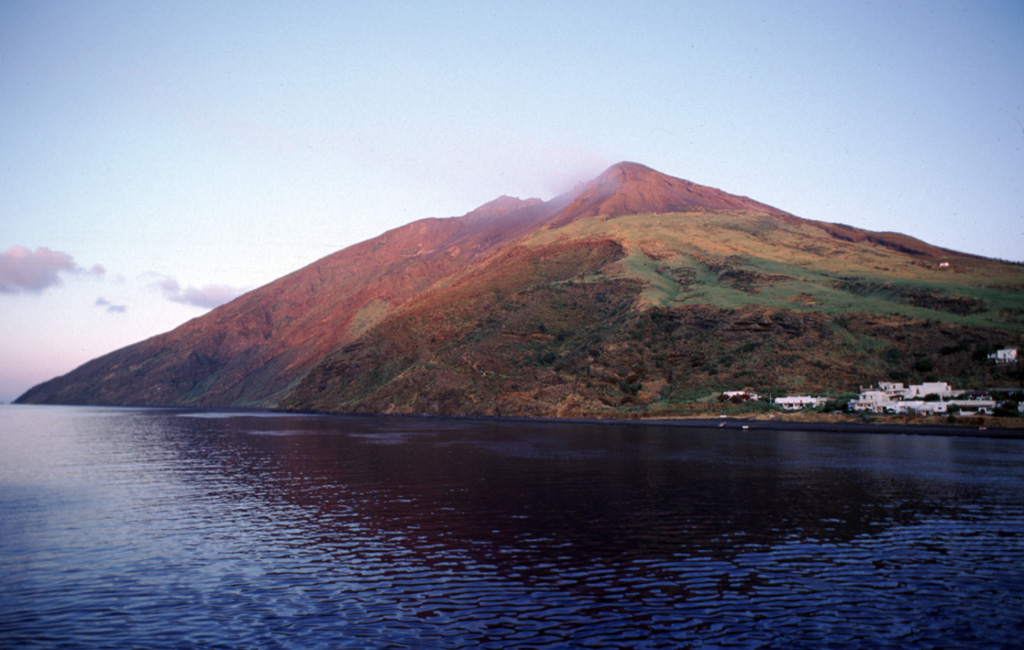
INGV reported typical activity at Stromboli from 7 to 13 May, with 2-4 hourly low-intensity explosions to heights of less than 80 m (300 ft) above the crater, in the North crater area. Fine ash as well as lapilli and bombs were ejected. The South Central crater area vents produced between 5-12 hourly, low-intensity explosions, also to heights of less than 80 m above the crater. Continuous degassing was also observed from these vents. On 13 May there was an increased frequency of explosions, with 16 events/hour. No significant variations were reported in seismological, deformation, or geochemical parameters. |
Suwanosejima (Japan) | 9 May-15 May 2018 | Continuing Eruptive Activity
|
|
 Suwanosejima SuwanosejimaRyukyu Volcanic Arc |
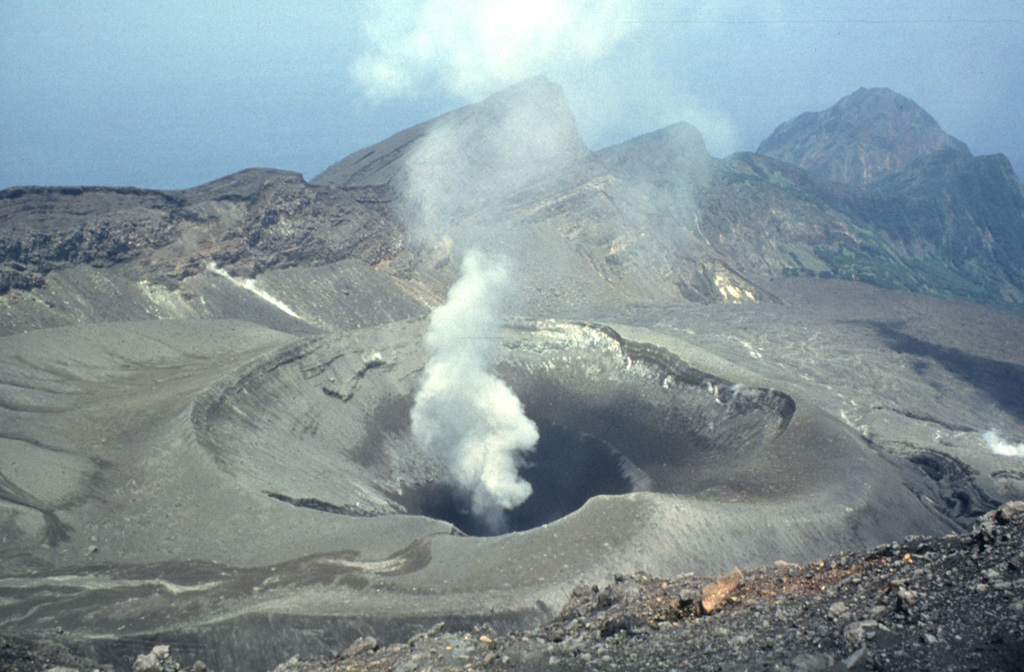
The Tokyo VAAC reported that explosions occurred at Suwanosejima on 15 May, based on information from JMA. |
Turrialba (Costa Rica) | 9 May-15 May 2018 | Continuing Eruptive Activity
|
|
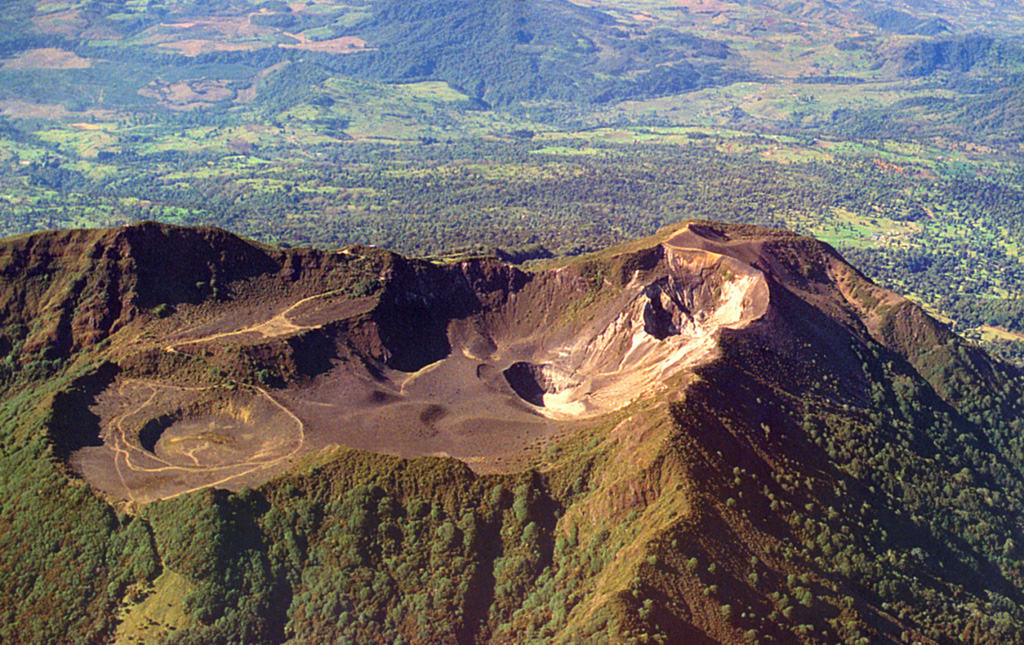 Turrialba TurrialbaCentral America Volcanic Arc |
OVSICORI reported that there were strong emissions of SO2 from Turrialba, accompanied by vigorous fumarolic activity and jetting noises. An ash plume was reported on 10 May, with ashfall in La Pastora de Santa Cruz de Turrialba and Pacayas. A weak water vapor and gas plume was detected at 0920 on 13 May, rising 300-500 m (1000-1600 ft) above the summit. Seismicity was low, with low-amplitude long-period earthquakes and some low-amplitude tremor. Continuous low-amplitude tremor was report on 13 May. Source: Observatorio Vulcanologico y Sismologico de Costa Rica-Universidad Nacional (OVSICORI-UNA) |
Since the Weekly Volcanic Activity Report began in November 2000, there have been 22,859 individual reports over 1,335 weeks (average of 17 per week) on 351 different volcanoes.
Use the dropdowns to choose the year and week for archived Weekly Reports.
The RSS (Really Simple Syndication) feed is identical to the Weekly Volcanic Activity Report minus some features including the header information (latitude and longitude and summit elevation), the Geological Summary, and a link to the GVP volcano profile page. At the end of each report is a list of the sources used. Each report includes a link from the volcano's name back to the more complete information on the GVP website.
The CAP (Common Alerting Protocol) feeds are XML files specifically formatted for disaster management. They are similar in content to the RSS feed, but contain no active links.
Loading the network link into Google Earth will automatically load placemarks for volcanoes in the current weekly report. Placemark balloons include the volcano name, report date, report text, sources, and links back to the GVP volcano profile page and to the complete Weekly Report for that week.
 Download Smithsonian / USGS Weekly Volcanic Activity Report Network RSS Feed
Download Smithsonian / USGS Weekly Volcanic Activity Report Network CAP Feed
Download Smithsonian / USGS Weekly Volcanic Activity Report Network Link
The Weekly Volcanic Activity Report does not necessarily include all volcanic activity that occurred on Earth during the week. More than a dozen volcanoes globally have displayed essentially continuous eruptive activity for decades or longer, and such routine activity is typically not reported here. Submarine activity is reported when information is available. The Weekly Volcanic Activity Report summarizes volcanic activity that meets one or more of the following criteria:
- A volcano observatory raises or lowers the alert level at the volcano.
- A volcanic ash advisory has been released by a volcanic ash advisory center (VAAC) stating that an ash cloud has been produced from the volcano.
- A verifiable news report of new activity or a change in activity at the volcano has been issued.
- Observers have reported a significant change in volcanic activity. Such activity can include, but is not restricted to, pyroclastic flows, lahars, lava flows, dome collapse, or increased unrest.
Reports categorized as "Activity (New)" indicate eruptive activity that has occurred after at least 3 months of quiescence. Once a volcano is included in this section, updates will remain on that list unless the activity continues for more than 1 month without escalating, after which time updates will be listed in the "Activity (Continuing)" section. Reports are included in the "Unrest" sections (New or Continuing) if the volcano is undergoing non-eruptive activity such as seismicity or deformation that is unusually high for that volcano or is increasing. The "Other" category includes non-eruptive and non-unrest reports, such as Alert Level decreases or previous ash deposits resuspended by winds. Reports through 2025 were only divided into "New Activity/Unrest" and "Continuing Activity", which have been automatically converted to the "Activity (New)" and "Activity (Continuing)" groups, respectively, without a review of content that might change the category to "Unrest" or "Other".
It is important to note that volcanic activity meeting one or more of these criteria may occur during the week, but may not be included in the Weekly Volcanic Activity Report because we did not have the relevant information at the time.
1. The Weekly Volcanic Activity Report is intended to provide timely information about global volcanism on a weekly basis. Consequently, the report is generated rapidly by summarizing volcanic reports from various sources, with little time for fact checking. The accuracy of the Weekly Volcanic Activity Report is dependent upon the quality of the volcanic activity reports we receive. Reports published in the Bulletin of the Global Volcanism Network are cover longer time periods and are more carefully reviewed, although all of the volcanoes discussed in the Weekly Volcanic Activity Report are not necessarily reported in the Bulletin. Reports are updated on the Weekly Volcanic Activity Report web page as they are received, therefore information may be included regarding events that occurred before the current report period.
2. Rapidly developing events lead to coverage that is often fragmentary. Volcanoes, their eruptions, and their plumes and associated atmospheric effects are complex phenomena that may require months to years of data analysis in order to create a comprehensive summary and interpretation of events.
3. Preliminary accounts sometimes contain exaggerations and "false alarms," and accordingly, this report may include some events ultimately found to be erroneous or misleading.
4. Many news agencies do not archive the articles they post on the Internet, and therefore the links to some sources may not be active. To obtain information about the cited articles that are no longer available on the Internet contact the source.
5. USGS Disclaimer Statement for this Website:
Information presented on this website is considered public information and may be distributed or copied. Use of appropriate byline/photo/image credit is requested. We strongly recommend that USGS data be acquired directly from a USGS server and not through other sources that may change the data in some way. While USGS makes every effort to provide accurate and complete information, various data such as names, telephone numbers, etc. may change prior to updating. USGS welcomes suggestions on how to improve our home page and correct errors. USGS provides no warranty, expressed or implied, as to the accuracy, reliability or completeness of furnished data.
Some of the documents on this server may contain live references (or pointers) to information created and maintained by other organizations. Please note that USGS does not control and cannot guarantee the relevance, timeliness, or accuracy of these outside materials.
For site security purposes and to ensure that this service remains available to all users, this government computer system employs software programs to monitor network traffic to identify unauthorized attempts to upload or change information, or otherwise cause damage. Unauthorized attempts to upload information or change information on this website are strictly prohibited and may be punishable under the Computer Fraud and Abuse Act of 1986 and the National Information Infrastructure Protection Act. Information may also be used for authorized law enforcement investigations. (Last modified September 21, 1999.)
U.S. Department of the Interior, U.S. Geological Survey, Reston, VA, USA
URL: https://volcano.si.edu/reports_weekly.cfm

 Cite this Report