Logo link to homepage
Updates to the Weeky Volcanic Activity Report will resume during the week of 16-22 November 2025.

Smithsonian / USGS Weekly Volcanic Activity Report

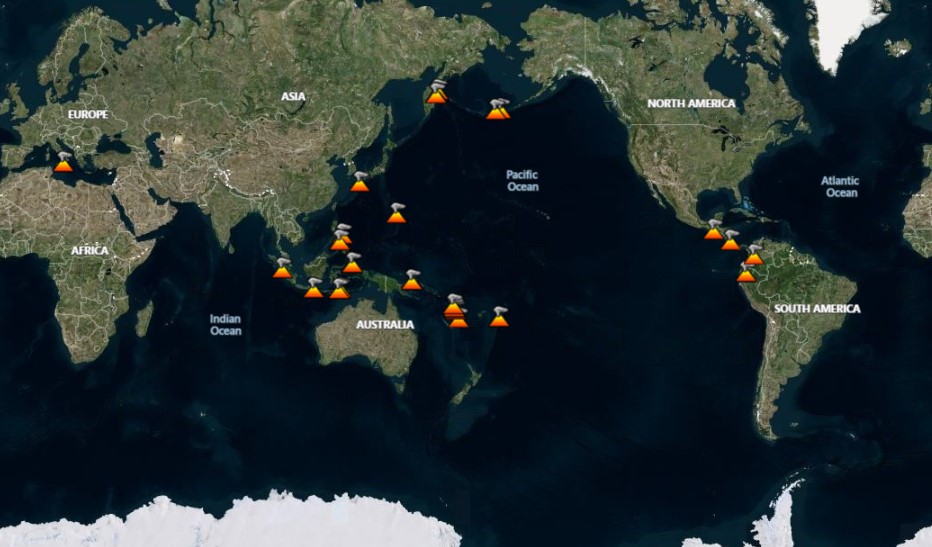
Weekly Volcanic Activity Map

The Weekly Volcanic Activity Report is a cooperative project between the Smithsonian's Global Volcanism Program and the US Geological Survey's Volcano Hazards Program. Updated by 2300 UTC every Wednesday and averaging 16 reported volcanoes, this is not a comprehensive list of all eruptions this week, but rather a summary of activity that meet criteria discussed in the "Criteria and Disclaimers" section below.

Volcanic activity reported here is preliminary and subject to change. Carefully reviewed, detailed narratives over longer time periods are published as reports of the Bulletin of the Global Volcanism Network available through volcano profile pages.

Smithsonian / USGS Weekly Volcanic Activity Report for the week of 20 August-26 August 2025
Name Country Volcanic Region Eruption Start Date Report Status
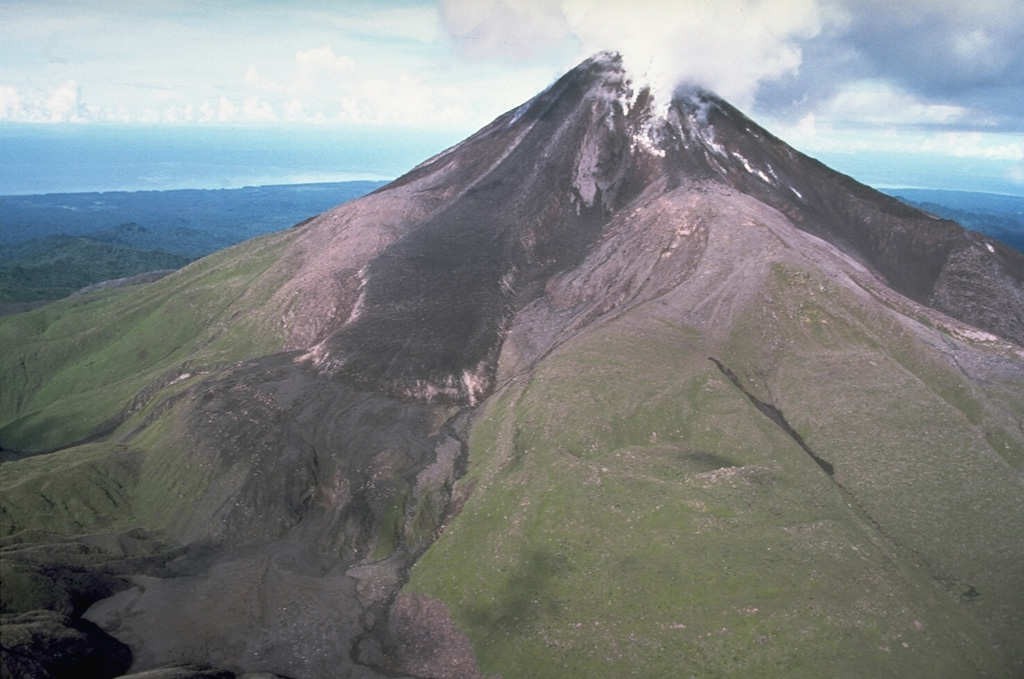
Bagana Papua New Guinea Bougainville Volcanic Arc 2000 Feb 28 (in or before) New
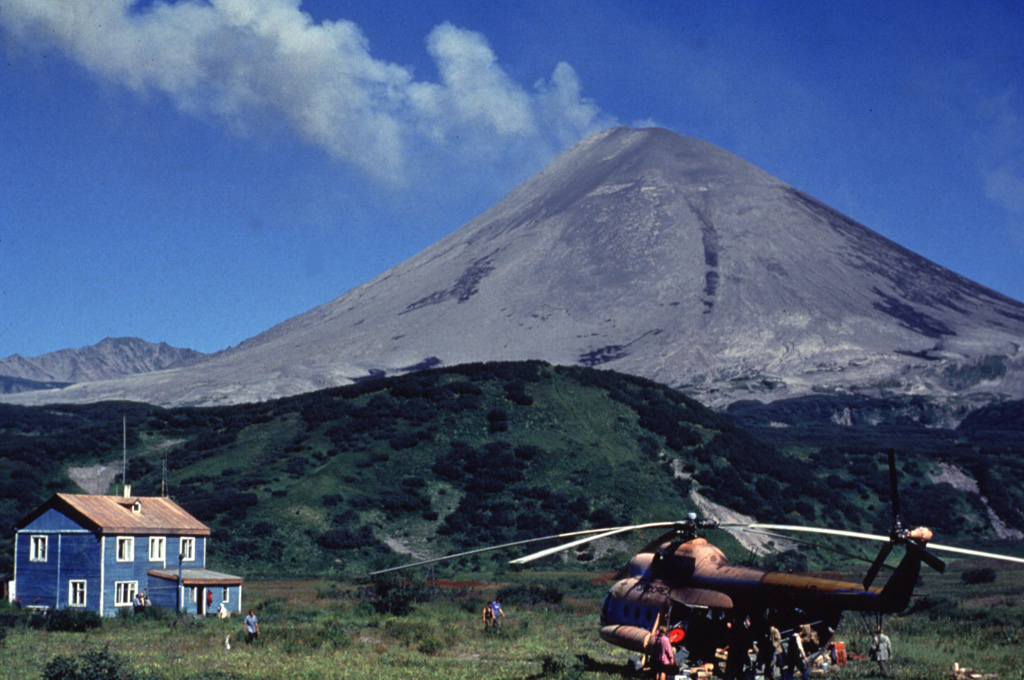
Karymsky Russia Eastern Kamchatka Volcanic Arc 2025 Apr 30 New
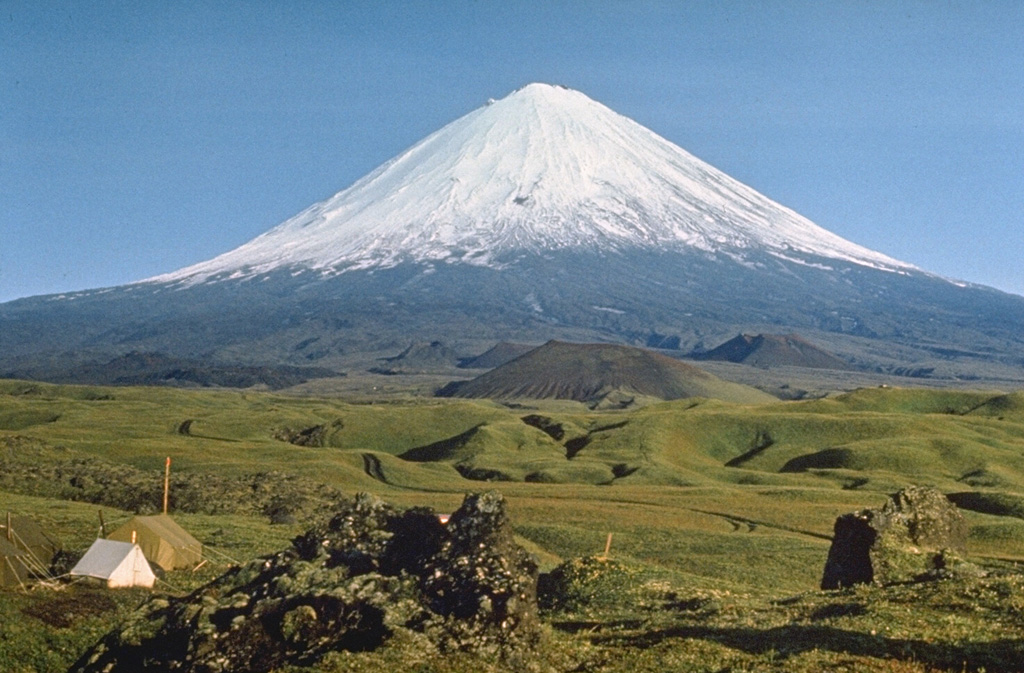
Klyuchevskoy Russia Eastern Kamchatka Volcanic Arc New
Krasheninnikov Russia Eastern Kamchatka Volcanic Arc 2025 Aug 2 New
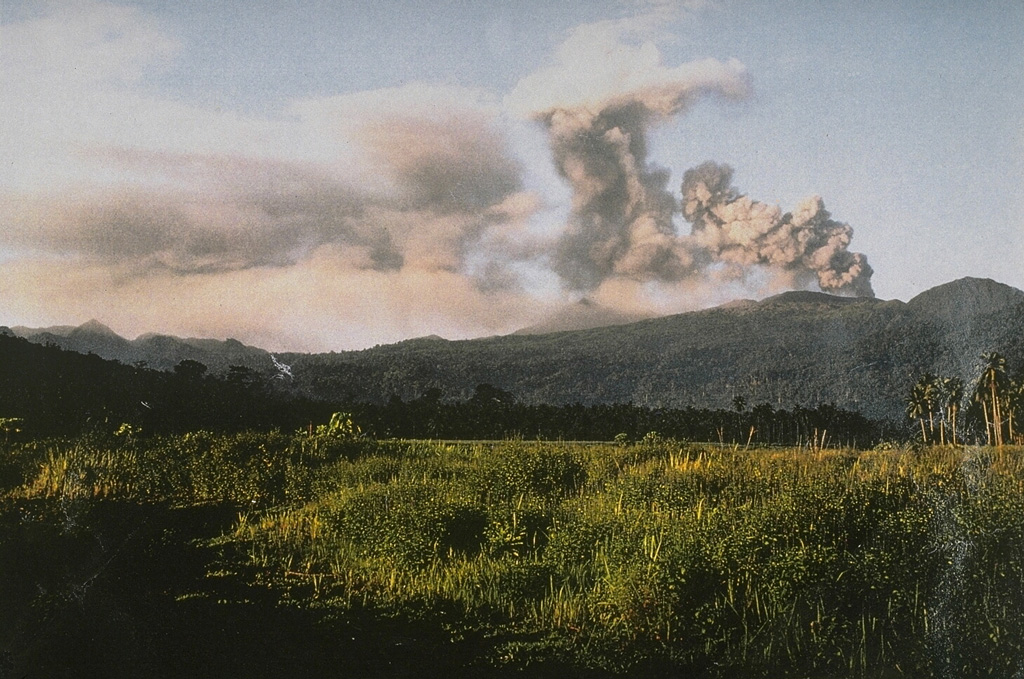
Lewotobi Indonesia Sunda Volcanic Arc 2023 Dec 23 New
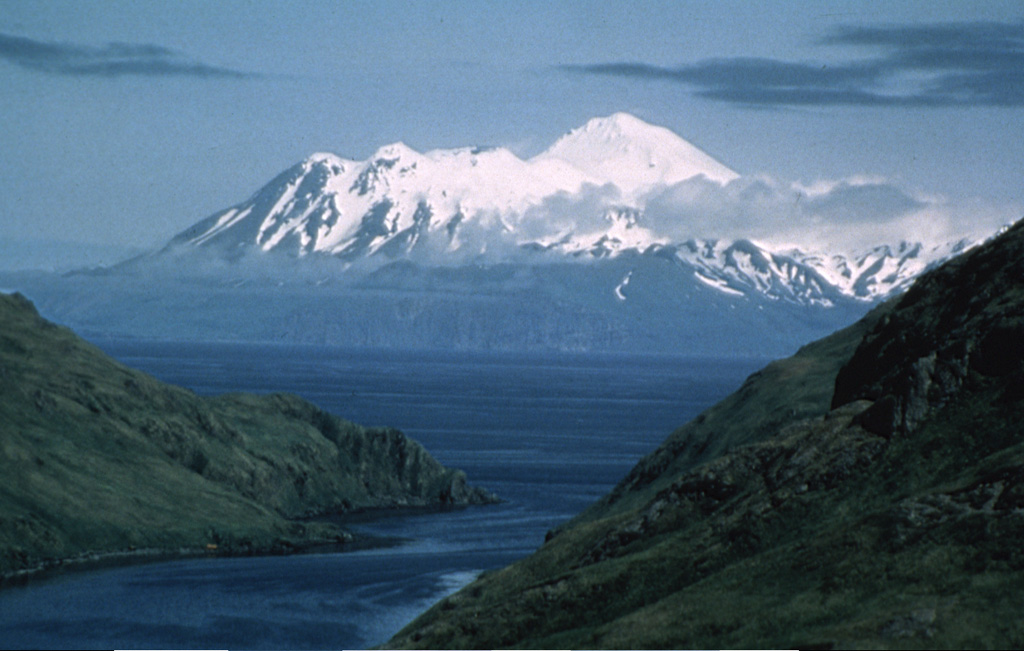
Shishaldin United States Aleutian Ridge Volcanic Arc New
Aira Japan Ryukyu Volcanic Arc 2017 Mar 25 Continuing
Dukono Indonesia Halmahera Volcanic Arc 1933 Aug 13 Continuing
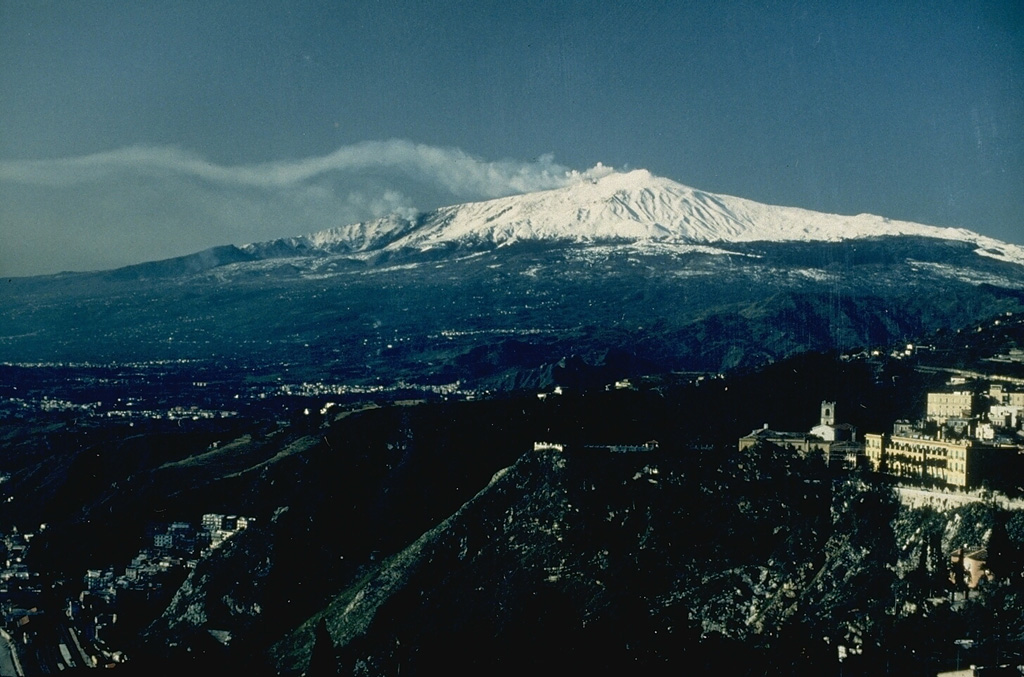
Etna Italy Sicily Volcanic Province 2022 Nov 27 Continuing
Great Sitkin United States Aleutian Ridge Volcanic Arc 2021 May 25 Continuing
Ibu Indonesia Halmahera Volcanic Arc 2008 Apr 5 Continuing
Katmai United States Alaska Peninsula Volcanic Arc Continuing
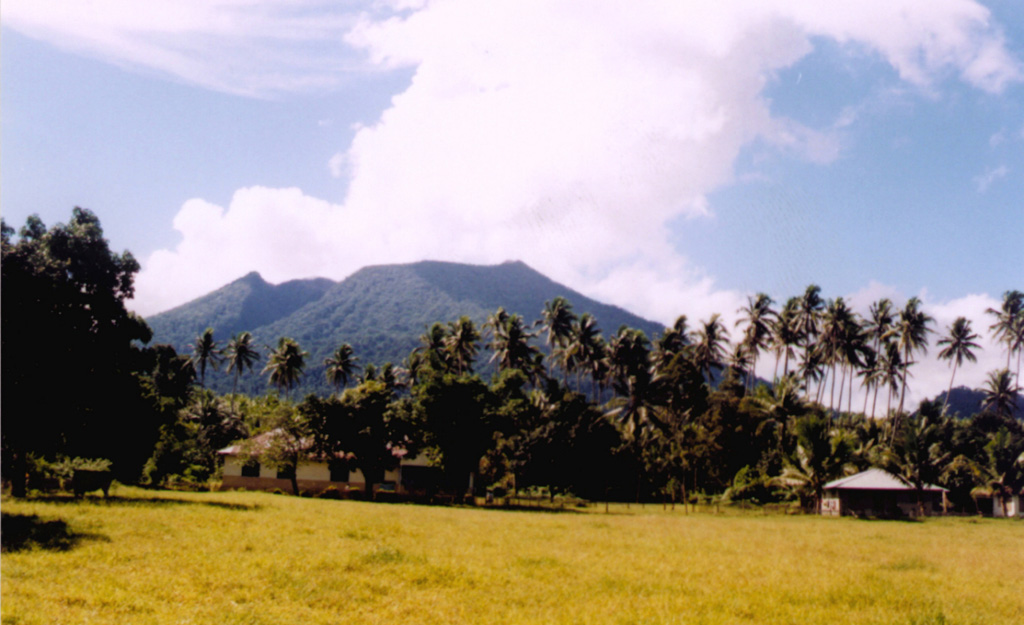
Kelimutu Indonesia Sunda Volcanic Arc Continuing
Kilauea United States Hawaiian-Emperor Hotspot Volcano Group 2024 Dec 23 Continuing
Kirishimayama Japan Ryukyu Volcanic Arc 2025 Jun 22 Continuing
Lewotolok Indonesia Sunda Volcanic Arc 2025 Jan 16 Continuing
Poas Costa Rica Central America Volcanic Arc 2025 Jan 5 Continuing
Reventador Ecuador Northern Andean Volcanic Arc 2008 Jul 27 Continuing
Sangay Ecuador Northern Andean Volcanic Arc 2019 Mar 26 Continuing
Semeru Indonesia Sunda Volcanic Arc 2019 Feb 24 Continuing
Sheveluch Russia Eastern Kamchatka Volcanic Arc 1999 Aug 15 Continuing
Suwanosejima Japan Ryukyu Volcanic Arc 2004 Oct 23 Continuing
Turrialba Costa Rica Central America Volcanic Arc Continuing
Ulawun Papua New Guinea Bismarck Volcanic Arc 2025 Mar 27 Continuing
All times are local unless otherwise stated.
Weekly Reports Archive

Since the Weekly Volcanic Activity Report began in November 2000, there have been 21,843 individual reports over 1,293 weeks (average of 17 per week) on 344 different volcanoes.

Search by Date


Use the dropdowns to choose the year and week for archived Weekly Reports.

Use the dropdowns to choose the year and week for archived Weekly Reports.          


Search by Volcano


Adams Cotopaxi Ijen Lewotobi Pinatubo Stromboli
Agung Cuicocha Iliamna Lewotolok Planchon-Peteroa Sulu Range
Ahyi Cumbal Iliwerung Little Sitkin Poas Sumbing
Aira Dabbahu Inielika Llaima Popocatepetl Sumisujima
Akan Davidof Ioto Lokon-Empung Purace Sundoro
Alaid Dempo Irazu Lonquimay Puyehue-Cordon Caulle Suoh
Alu-Dalafilla Descabezado Grande Iwatesan Lopevi Rabaul Suretamatai
Ambae Dieng Volcanic Complex Iya Machin Raikoke Suwanosejima
Ambang Dukono Izu-Torishima Makushin Rainier Taal
Ambrym East Epi Jackson Segment Maly Semyachik Ranakah Tair, Jebel at
Anatahan Ebeko Kaba Manam Raoul Island Takawangha
Aniakchak Ebulobo Kadovar Manda Hararo Rasshua Talang
Antillanca Volcanic Complex Edgecumbe Kaitoku Seamount Marapi Raung Tambora
Antuco Egon Kama'ehuakanaloa Maroa Redoubt Tanaga
Apaneca Range Ekarma Kambalny Martin Reventador Tandikat-Singgalang
Apoyeque Eldey Kanaga Masaya Reykjanes Tangkoko-Duasudara
Arenal Erebus Kanlaon Matthew Island Rincon de la Vieja Tangkuban Parahu
Asamayama Erta Ale Karangetang Maule, Laguna del Rinjani Tara, Batu
Askja Etna Karkar Mauna Loa Ritter Island Ta'u
Asosan Etorofu-Yakeyama [Grozny Group] Karthala Mayon Rotorua Taupo
Atka Volcanic Complex Eyjafjallajokull Karymsky McDonald Islands Ruang Telica
Augustine Fagradalsfjall Kasatochi Melebingoy Ruapehu Telong, Bur ni
Avachinsky Fentale Katla Melimoyu Ruby Tenerife
Awu Fernandina Katmai Merapi Ruiz, Nevado del Tengger Caldera
Axial Seamount Fogo Kavachi Midagahara Sabancaya Three Sisters
Azul, Cerro Fonualei Kelimutu Misti, El Sakar Tinakula
Azumayama Fournaise, Piton de la Kelud Miyakejima Salak Tofua
Bagana Fourpeaked Kerinci Momotombo San Cristobal Tokachidake
Balbi Fuego Ketoi Monowai San Miguel Tolbachik
Bamus Fujisan Kharimkotan Montagu Island San Vicente Toliman
Banda Api Fukutoku-Oka-no-Ba Kick 'em Jenny Moyorodake [Medvezhia] Sangay Tongariro
Bardarbunga Galeras Kie Besi Mutnovsky Sangeang Api Trident
Barren Island Galunggung Kikai Myojinsho Santa Ana Tungurahua
Batur Gamalama Kilauea Nabro Santa Maria Turrialba
Bezymianny Gamkonora Kirishimayama Negra, Sierra Sao Jorge Ubinas
Bogoslof Gareloi Kita-Ioto Negro, Cerro Sarigan Ugashik-Peulik
Brava Gaua Kizimen Nightingale Island Sarychev Peak Ukinrek Maars
Bristol Island Gede Klyuchevskoy Nishinoshima Saunders Ulawun
Bulusan Gorely Kolokol Group Nisyros Savo Unnamed
Calbuco Great Sitkin Kolumbo Northern EPR at 9.8°N Semeru Unnamed
Callaqui Grimsvotn Koryaksky Novarupta Semisopochnoi Veniaminof
Cameroon Guagua Pichincha Krakatau NW Rota-1 Seulawah Agam Villarrica
Campi Flegrei Guallatiri Krasheninnikov Nyamulagira Sheveluch Vulcano
Campi Flegrei del Mar di Sicilia Guntur Krummel-Garbuna-Welcker Nyiragongo Shishaldin West Mata
Cayambe Hachijojima Krysuvik-Trolladyngja Ofu-Olosega Simbo Westdahl
Chachadake [Tiatia] Hakoneyama Kuchinoerabujima Okataina Sinabung Whakaari/White Island
Chaiten Hayli Gubbi Kurikomayama Okmok Sinarka Witori
Chiginagak Heard Kusatsu-Shiranesan Ontakesan Siple Wolf
Chikurachki Hekla Kverkfjoll Oraefajokull Sirung Wrangell
Chiles-Cerro Negro Helgrindur La Palma Osorno Slamet Yakedake
Chillan, Nevados de Hierro Lamington Pacaya Snaefellsjokull Yasur
Chirinkotan Hokkaido-Komagatake Lamongan Pagan Soputan Yellowstone
Chirpoi Home Reef Langila Palena Volcanic Group Sorikmarapi Yufu-Tsurumi
Ciremai Hood Lanin Paluweh Sotara Zaozan [Zaosan]
Cleveland Huaynaputina Lascar Panarea Soufriere Hills Zavodovski
Colima Hudson, Cerro Late Papandayan Soufriere St. Vincent Zhupanovsky
Colo Huila, Nevado del Lateiki Pavlof South Sarigan Seamount Zubair Group
Concepcion Hunga Tonga-Hunga Ha'apai Lengai, Ol Doinyo Pelee Spurr
Copahue Ibu Lereboleng Peuet Sague St. Helens
 News Feeds and Google Placemarks


Download Smithsonian / USGS Weekly Volcanic Activity Report Network RSS Feed

The RSS (Really Simple Syndication) feed is identical to the Weekly Volcanic Activity Report minus some features including the header information (latitude and longitude and summit elevation), the Geologic Summary, and a link to the volcano's page from the Global Volcanism Program. At the end of each report is a list of the sources used. Each volcano report includes a link from the volcano's name back to the more complete information in the Weekly Volcanic Activity Report on the Smithsonian website. This feature was first made available on 5 March 2008.


Download Smithsonian / USGS Weekly Volcanic Activity Report Network CAP Feed

The CAP (Common Alerting Protocol) feeds are XML files specifically formatted for disaster management. They are similar in content to the RSS feed, but contain no active links.


Download Smithsonian/USGS Weekly Volcanic Activity Report Network Link Download Smithsonian / USGS Weekly Volcanic Activity Report Network Link

A Google Earth network link for the Weekly Volcanic Activity Report can be loaded into the free Google Earth software, and in turn will load placemarks for volcanoes in the current weekly report. Placemark balloons include the volcano name, report date, report text, sources, and links back to the GVP volcano profile page and to the complete Weekly Report for that week. This feature was first made available on 1 April 2009.

 Criteria & Disclaimers

Criteria


The Weekly Volcanic Activity Report does not necessarily include all volcanic activity that occurred on Earth during the week. More than a dozen volcanoes globally have displayed more-or-less continuous eruptive activity for decades or longer, and such routine activity is typically not reported here. Moreover, Earth's sea-floor volcanism is seldom reported even though in theory it represents the single most prolific source of erupted material. The Weekly Volcanic Activity Report summarizes volcanic activity that meets one or more of the following criteria:

- A volcano observatory raises or lowers the alert level at the volcano.
- A volcanic ash advisory has been released by a volcanic ash advisory center (VAAC) stating that an ash cloud has been produced from the volcano.
- A verifiable news report of new activity or a change in activity at the volcano has been issued.
- Observers have reported a significant change in volcanic activity. Such activity can include, but is not restricted to, pyroclastic flows, lahars, lava flows, dome collapse, or increased unrest.

Volcanoes are included in the "New Activity/Unrest" section of the Weekly Volcanic Activity Report if the activity occurs after at least 3 months of quiescence. Once a volcano is included in the "New Activity/Unrest" section, updates will remain in that section unless the activity continues for more than 1 month without escalating, after which time updates will be listed in the "Continuing Activity" section. Volcanoes are also included in the "New Activity/Unrest" section if the volcano is undergoing a period of relatively high unrest, or increasing unrest. This is commonly equal to Alert Level Orange on a scale of Green, Yellow, Orange, Red, where Red is the highest alert. Or alert level 3 on a scale of 1-4 or 1-5.

It is important to note that volcanic activity meeting one or more of these criteria may occur during the week, but may not be included in the Weekly Volcanic Activity Report because we did not receive a report.

Disclaimers


1. The Weekly Volcanic Activity Report is intended to provide timely information about global volcanism on a weekly basis. Consequently, the report is generated rapidly by summarizing volcanic reports from various sources, with little time for fact checking. The accuracy of the Weekly Volcanic Activity Report is dependent upon the quality of the volcanic activity reports we receive. Reports published in the Bulletin of the Global Volcanism Network are cover longer time periods and are more carefully reviewed, although all of the volcanoes discussed in the Weekly Volcanic Activity Report are not necessarily reported in the Bulletin. Because of our emphasis on rapid reporting on the web we have avoided diacritical marks. Reports are updated on the Weekly Volcanic Activity Report web page as they are received, therefore information may be included regarding events that occurred before the current report period.

2. Rapidly developing events lead to coverage that is often fragmentary. Volcanoes, their eruptions, and their plumes and associated atmospheric effects are complex phenomena that may require months to years of data analysis in order to create a comprehensive summary and interpretation of events.

3. Preliminary accounts sometimes contain exaggerations and "false alarms," and accordingly, this report may include some events ultimately found to be erroneous or misleading.

4. Many news agencies do not archive the articles they post on the Internet, and therefore the links to some sources may not be active. To obtain information about the cited articles that are no longer available on the Internet contact the source.

5. USGS Disclaimer Statement for this Website:

Information presented on this website is considered public information and may be distributed or copied. Use of appropriate byline/photo/image credit is requested. We strongly recommend that USGS data be acquired directly from a USGS server and not through other sources that may change the data in some way. While USGS makes every effort to provide accurate and complete information, various data such as names, telephone numbers, etc. may change prior to updating. USGS welcomes suggestions on how to improve our home page and correct errors. USGS provides no warranty, expressed or implied, as to the accuracy, reliability or completeness of furnished data.

Some of the documents on this server may contain live references (or pointers) to information created and maintained by other organizations. Please note that USGS does not control and cannot guarantee the relevance, timeliness, or accuracy of these outside materials.

For site security purposes and to ensure that this service remains available to all users, this government computer system employs software programs to monitor network traffic to identify unauthorized attempts to upload or change information, or otherwise cause damage. Unauthorized attempts to upload information or change information on this website are strictly prohibited and may be punishable under the Computer Fraud and Abuse Act of 1986 and the National Information Infrastructure Protection Act. Information may also be used for authorized law enforcement investigations. (Last modified September 21, 1999.)

U.S. Department of the Interior, U.S. Geological Survey, Reston, VA, USA
URL: https://volcano.si.edu/reports_weekly.cfm

 Acronyms and Abbreviations

a.s.l. - above sea level

AVO - Alaska Volcano Observatory

AVHRR - Advanced Very High Resolution Radiometer

CENAPRED - Centro Nacionale de Prevencion de Desastres (México)

CONRED - Coordinadora Nacional para la Reducción de Desastres

COSPEC - Correlation Spectrometer

CVGHM (formerly VSI) - Center of Volcanology and Geological Hazard Mitigation

CVO - Cascades Volcano Observatory (USGS)

GMS - Geostationary Meteorological Satellite

GOES - Geostationary Operational Environmental Satellite

GVO - Goma Volcano Observatory

GVP - Global Volcanism Program (Smithsonian Institution)

HVO - Hawaiian Volcano Observatory (USGS)

ICE - Instituto Costarricense de Electricidad (Costa Rica)

IG - Instituto Geofísico (Ecuador)

IGNS - Institute of Geological and Nuclear Sciences (New Zealand) - now GNS Science

INETER - Instituto Nicaragüense de Estudios Territoriales (Nicaragua)

INGEMMET - Instituto Geológical Minero y Metalúrgico (Peru)

INGEOMINAS - Instituto Colombiano de Geología y Minería (Colombia)

INGV-CT - Istituto Nazionale di Geofisica e Vulcanologia - Sezione di Catania (Italy)

INSIVUMEH - Instituto Nacional de Sismologia, Vulcanologia, Meteorologia e Hidrologia (Guatemala)

IRD - Institut de Recherche pour le Développement (France)

JMA - Japanese Meteorological Agency

KEMSD - Kamchatkan Experimental and Methodical Seismilogical Department

KVERT - Kamchatkan Volcanic Eruption Response Team

M - magnitude

METEOSAT - Meteorological Satellite

MEVO - Mount Erebus Volcano Observatory

MODIS - Moderate Resolution Imaging Spectroradiometer

MVO - Montserrat Volcano Observatory

MWO - Meteorological Watch Office

NEIC - National Earthquake Information Center

NIED - National Research Institute for Earth Science and Disaster Prevention (Japan)

NOAA - National Oceanic and Atmospheric Administration

NOTAM - Notice to Airmen

OVDAS - Observatorio Volcanologico de los Andes del Sur (Chile)

OFDA - Office of US Foreign Disaster Assistance

ONEMI - Oficina Nacional de Emergencia - Ministerio del Interior (Chile)

OVPDLF - Observatoire Volcanologique du Piton de la Fournaise (France)

OVSICORI-UNA - Observatorio Vulcanologico y Sismologico de Costa Rica, Universidad Nacional (Costa Rica)

PHIVOLCS - Philippine Institute of Volcanology and Seismology (Philippines)

RSAM - Real-time Seismic Amplitude Measurement

RVO - Rabaul Volcano Observatory

SERNAGEOMIN - Servicio Nacional de Geologia y Mineria (Chile)

SIGMET - Significant Meteorological Information

SNET - Servicio Nacional de Estudios Territoriales (El Salvador)

SVERT - Sakhalin Volcanic Eruption Response Team (Russia)

USAID - US Agency for International Development

USGS - United States Geological Survey

UTC - Coordinated Universal Time

VAAC - Volcanic Ash Advisory Center

VAFTAD - Volcanic Ash Forecast Transport And Dispersion

VDAP - Volcano Disaster Assistance Program (USGS)

VHP - Volcano Hazards Program (USGS)

VRC - Volcano Research Center (Japan)

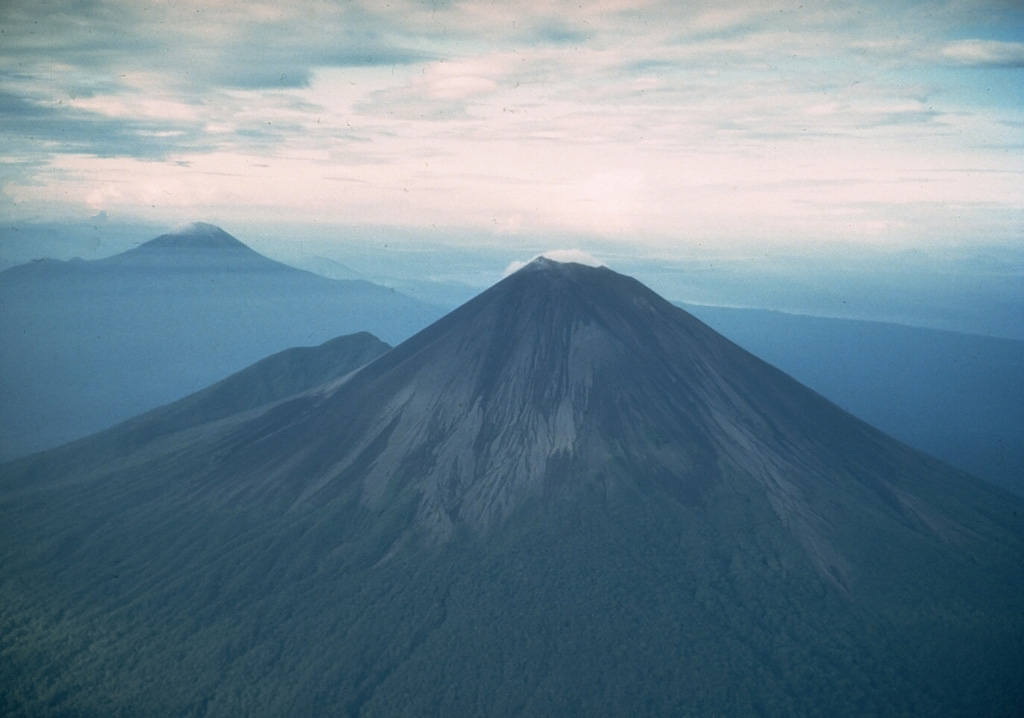
Report for Bagana
The Darwin Volcanic Ash Advisory Centre (VAAC) reported that an ash plume from Bagana was identified in satellite images rising to 2.1 km (7,000 ft) a.s.l. and drifting NW at 0820 on 25 August.
Source: Darwin Volcanic Ash Advisory Centre (VAAC)
Report for Karymsky
The Kamchatkan Volcanic Eruption Response Team (KVERT) reported that moderate activity continued at Karymsky during 14-21 August. A weak thermal anomaly over the volcano was observed in satellite images on 15 August; the volcano was quiet or obscured by clouds on the other days of the week. The Aviation Color Code remained at Orange (the third level on a four-color scale). Dates and times are provided in Coordinated Universal Time (UTC); specific events are indicated in local time where specified.
Source: Kamchatkan Volcanic Eruption Response Team (KVERT)
Report for Klyuchevskoy
The Kamchatkan Volcanic Eruption Response Team (KVERT) reported that the eruption at Klyuchevskoy had ended on 16 August and only fumarolic activity persisted. At 2318 on 20 August the Aviation Color Code was lowered to Green (the lowest level on a four-color scale). Dates and times are provided in Coordinated Universal Time (UTC); specific events are indicated in local time where specified.
Source: Kamchatkan Volcanic Eruption Response Team (KVERT)
Report for Krasheninnikov
The Kamchatkan Volcanic Eruption Response Team (KVERT) reported that the eruption at Krasheninnikov continued during 20-26 August. A daily large strong thermal anomaly over the volcano was identified in satellite images. According to the Far Eastern Branch of the Russian Academy of Sciences (FEB RAS) thermal anomalies over the lava flow on the NW flank were present on 23 August. At 0150 on 25 August an ash plume was visible in a satellite image rising 2.4 km (8,000 ft) a.s.l. and drifting SE based on a Tokyo Volcanic Ash Advisory Center (VAAC) report. Dates and times are provided in Coordinated Universal Time (UTC); specific events are indicated in local time where specified.
Sources: Kamchatkan Volcanic Eruption Response Team (KVERT), Institute of Volcanology and Seismology (IVS) of the Far Eastern Branch of the Russian Academy of Sciences (FEB RAS), Tokyo Volcanic Ash Advisory Center (VAAC)
Report for Lewotobi
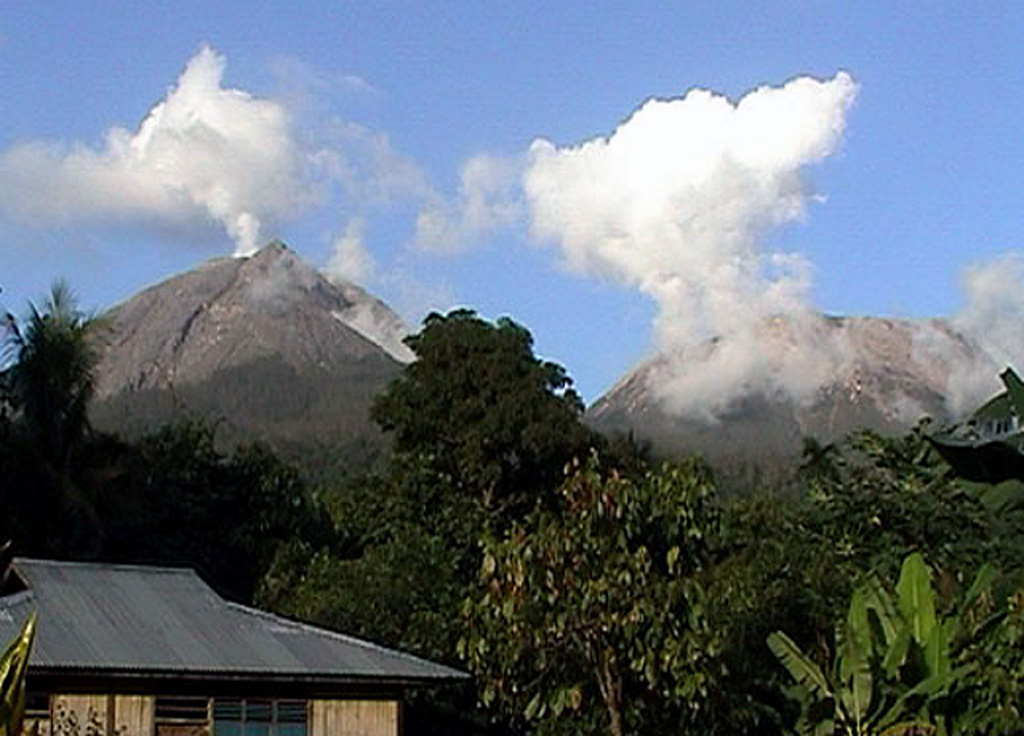
The Pusat Vulkanologi dan Mitigasi Bencana Geologi (PVMBG) reported continuing activity at Lewotobi Laki-laki during 20-26 August. Dense white gas-and-steam plumes rose as high as 500 m above the summit and drifted NW, N, and NE during 20-21 August. There were 3-4 daily ash plumes during 22-23 August rising 600-1,500 m above the summit and drifting W and SW. On 23 August PVMBG noted that activity was declining after the more intense 18 August activity, based on seismic and visual monitoring data. Seismicity had declined, though low-frequency earthquakes, along with deformation data, indicated a slow rate of magma recharge at depth. Tiltmeter data was relatively stable. At 1800 the Alert Level was lowered to 3 (on a scale of 1-4) and the public was warned to stay 6 km away from the center of Laki-laki. Ash plumes continued to rose from the summit crater during 24-25 August. Ash-and-gas plumes that were mostly dense rose as high as 2 km above the crater and drifted SW and W. An eruptive event was recorded at 2024 on 25 August and at 0311 on 26 August but not observed.
Source: Pusat Vulkanologi dan Mitigasi Bencana Geologi (PVMBG, also known as CVGHM)
Report for Shishaldin
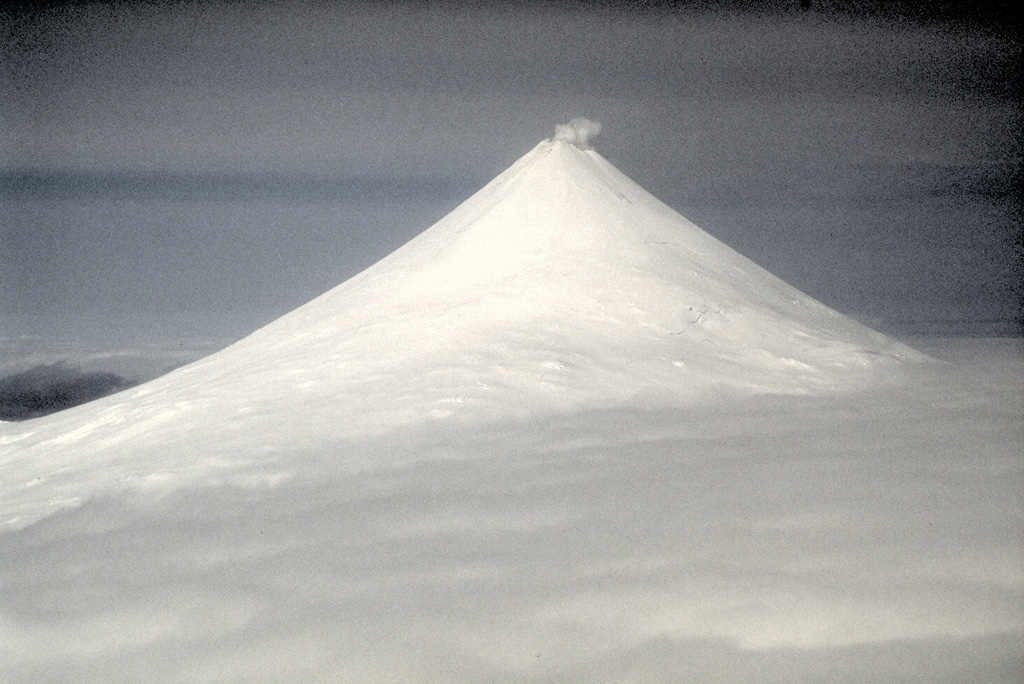
The Alaska Volcano Observatory (AVO) reported that signs of volcanic unrest at Shishaldin had been gradually increasing during the previous month. Specifically, sulfur dioxide emissions had increased, observers noted a more vigorous steam plume rising from the summit crater, and seismic and infrasound data showed moderate increases in both the number and amplitude of events. At 1148 on 25 August the Volcano Alert Level was raised to Advisory (the second lowest level on a four-level scale) and the Aviation Color Code was raised Yellow (the second lowest color on a four-color scale).
Source: US Geological Survey Alaska Volcano Observatory (AVO)
Report for Aira
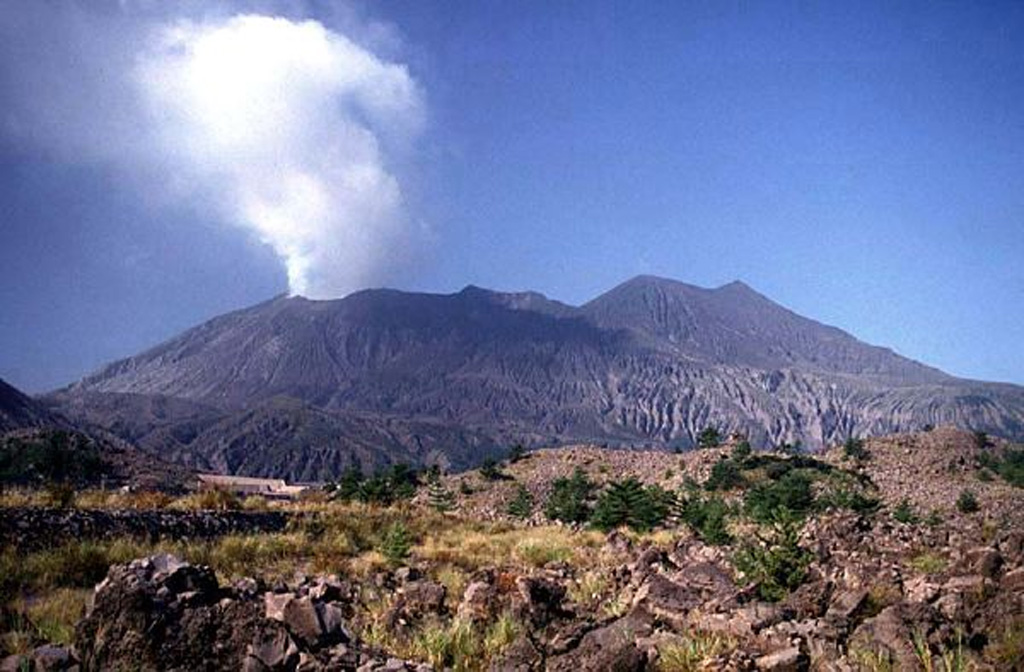
The Japan Meteorological Agency (JMA) reported ongoing eruptive activity at Minamidake Crater (Aira Caldera’s Sakurajima volcano) during 18-25 August. There was nightly crater incandescence visible in webcam images and occasional very small eruptive events. Sulfur dioxide emissions were characterized as extremely high on 20 August, averaging 3,300 tons per day. An explosion at 0521 on 22 August generated an ash plume that rose 1.7 km above the crater rim and drifted SE. Eruptive events at 0733 on 22 August, at 2159 on 23 August, and at 0013, 1040, and 1724 on 24 August produced ash plumes that rose 1.1-1.5 km above the crater rim; some of the plumes rose straight up while others drifted SE. Ash plumes were continuously emitted during 0152-1025 on 25 August, rose as high as 1.8 km above the crater rim, and drifted N. The Alert Level remained at 3 (on a 5-level scale), and the public was warned to be cautious within 2 km of both the Minimadake and Showa craters.
Source: Japan Meteorological Agency (JMA)
Report for Dukono
The Pusat Vulkanologi dan Mitigasi Bencana Geologi (PVMBG) reported that eruptive activity at Dukono continued during 20-26 August. Dense white-and-gray gas-and-ash plumes rose 200-900 m above the summit and drifted NW and E during 21-23 and 26 August. The Alert Level remained at Level 2 (on a scale of 1-4) and the public was warned to stay 4 km away from the Malupang Warirang Crater.
Source: Pusat Vulkanologi dan Mitigasi Bencana Geologi (PVMBG, also known as CVGHM)
Report for Etna
The Sezione di Catania - Osservatorio Etneo (INGV) reported that eruptive activity at Etna’s summit craters during 18-24 August was characterized by lava effusion from two vents, Strombolian activity and ash emissions at SE Crater, and gas emissions at NE, Bocca Nuova, and Voragine craters. Activity was observed through webcams and by observatory staff doing daily fieldwork in the summit area. Lava effusion continued at a vent around 2,980 m elevation located along the N-S-trending fissure between Bocca Nuova and SE Crater. Lava flows were overlapping at the distal end of the flow field; the longest flow reached 2 km.

Two new vents opened on 20 August. The first vent was located at 3,100 m elevation at the base of the saddle between Bocca Nuova Crater and the Southeast Crater. Observatory staff witnessed the opening of the vent during the morning and saw spattering and lava flows that descended the W flank. The flows were 670 m long by 24 August. The second vent opened at 1340 on 20 August on the S flank of SE Crater, at 3,200 m elevation. The vent produced several branching lava flows that advanced S and SW. By 24 August the flow was 880 m long with the S branch reaching 2,980 m elevation and the SW flow reaching 2,950 m elevation. The new flows were estimated to be about 1.5 m thick.
Source: Sezione di Catania - Osservatorio Etneo (INGV)
Report for Great Sitkin
The Alaska Volcano Observatory (AVO) reported that slow lava effusion continued to feed a thick flow in Great Sitkin’s summit crater during 19-26 August. Satellite data indicated that the flow was advancing S, with some rockfalls occurring along the S and E margins. Small daily earthquakes were detected by the seismic network, including signals probably caused by the small rockfalls. Weather clouds mostly obscured satellite and webcam views; clear conditions during 23-24 August showed elected surface temperatures in satellite data. The Volcano Alert Level remained at Watch (the third level on a four-level scale) and the Aviation Color Code remained at Orange (the third color on a four-color scale).
Source: US Geological Survey Alaska Volcano Observatory (AVO)
Report for Ibu
The Pusat Vulkanologi dan Mitigasi Bencana Geologi (PVMBG) reported that the eruption at Ibu continued during 20-26 August. Daily dense gray ash plumes rose 300-700 m above the summit and drifted in multiple directions. Incandescence at the summit was visible in several nighttime webcam images. The Alert Level remained at 2 (the second lowest level on a four-level scale) and the public was advised to stay 2 km away from the active crater and 3.5 km away from the N crater wall opening.
Source: Pusat Vulkanologi dan Mitigasi Bencana Geologi (PVMBG, also known as CVGHM)
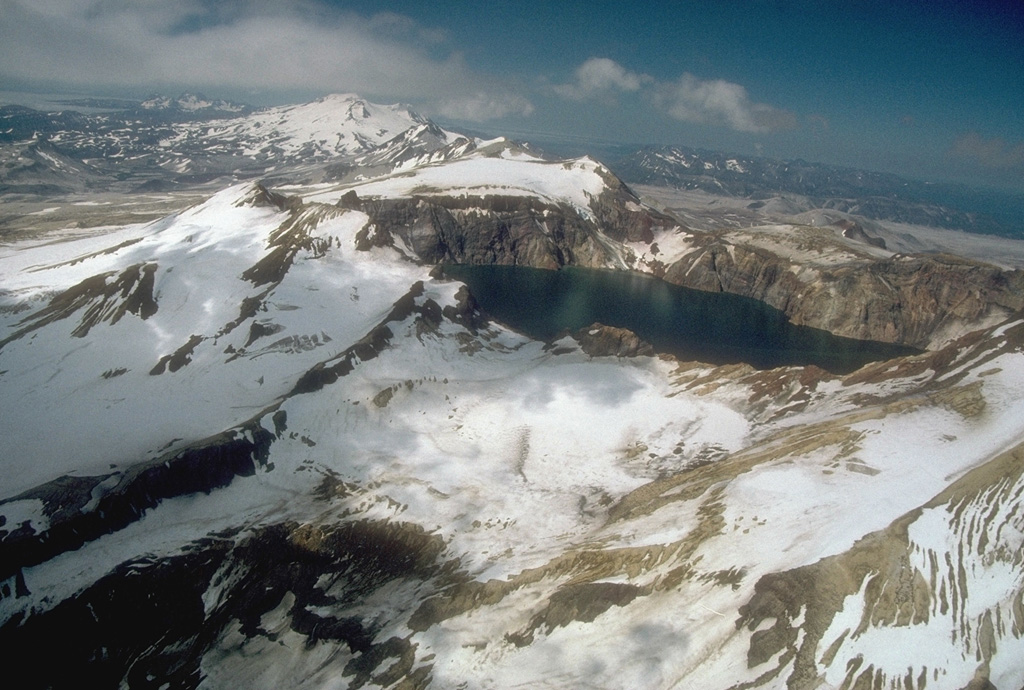
Report for Katmai
The Alaska Volcano Observatory (AVO) reported that on 26 August [Correction: 25 August] strong winds in the vicinity of Katmai and the Valley of Ten Thousand Smokes dispersed unconsolidated ash up to 1.5 km (5,000 ft) a.s.l. to the NW. The ash was originally deposited during the Novarupta-Katmai eruption in 1912. The Volcano Alert Level remained at Normal (the lowest level on a four-level scale) and the Aviation Color Code remained at Green (the lowest level on a four-color scale).
Source: US Geological Survey Alaska Volcano Observatory (AVO)
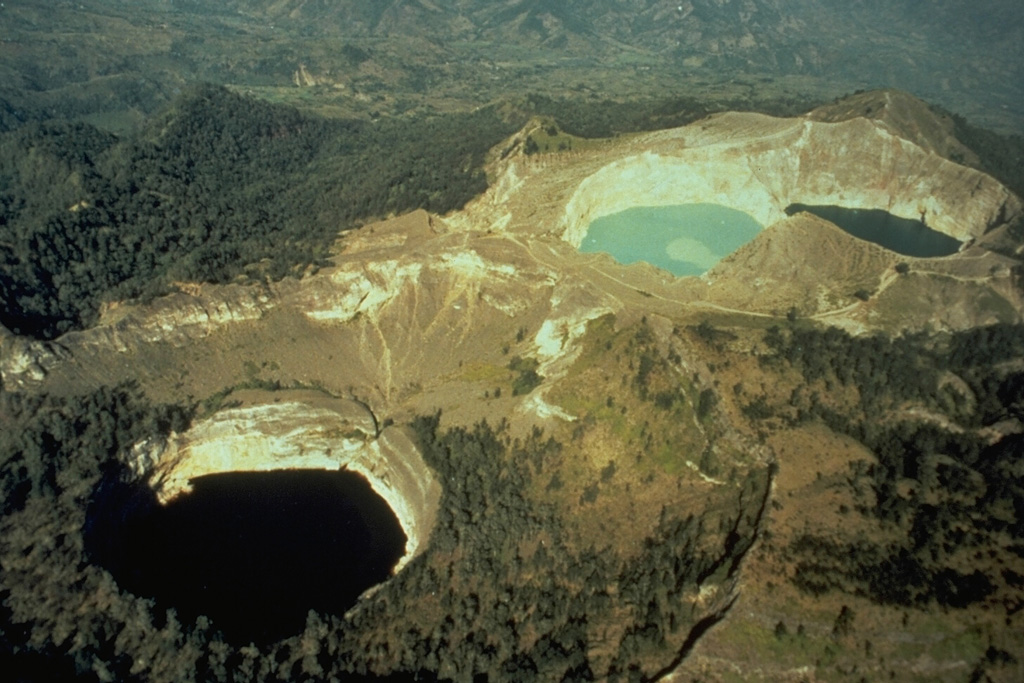
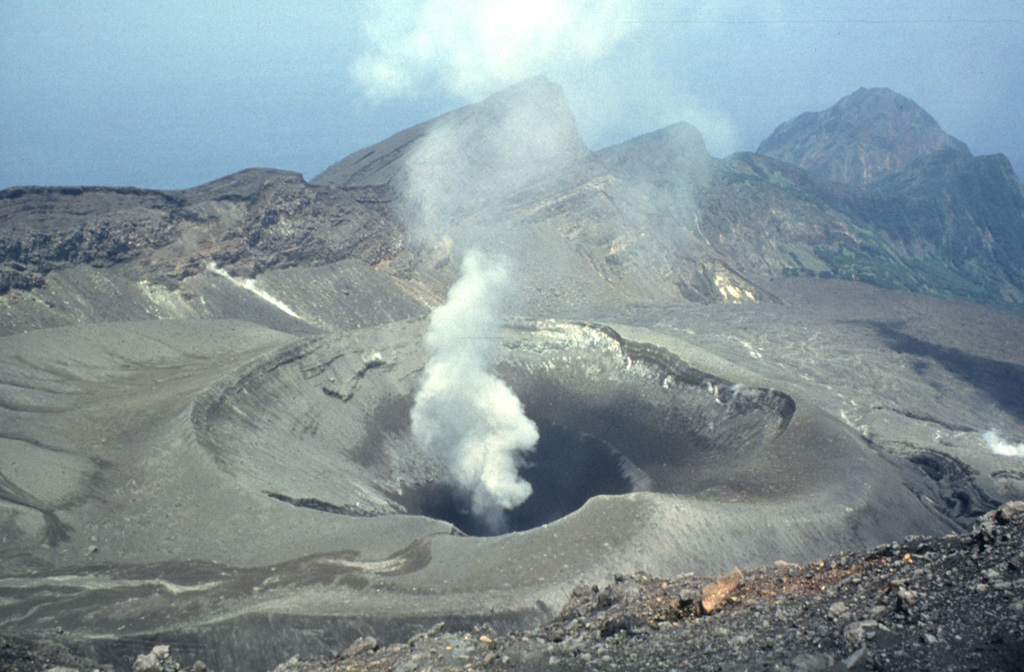
Report for Kelimutu
Pusat Vulkanologi dan Mitigasi Bencana Geologi (PVMBG) reported a significant increase in the lake water temperature at Kelimutu’s Crater II (Tiwu Koofai Nuwamuri). The temperature of the lake water rose from 25.3 degrees Celsius (C) on 18 August to 34.2 degrees C on 26 August. A very strong sulfur odor accompanied the temperature increase along with the appearance of gas-and-steam on the lake’s surface. The color of the lake water had not changed, remaining light blue. There was no significant change in seismicity. The Alert Level remained at 1 (on a scale of 1-4) and the public was advised to limit activities near the craters, not approach the lake water, and to not spend the night in the craters.
Source: Pusat Vulkanologi dan Mitigasi Bencana Geologi (PVMBG, also known as CVGHM)
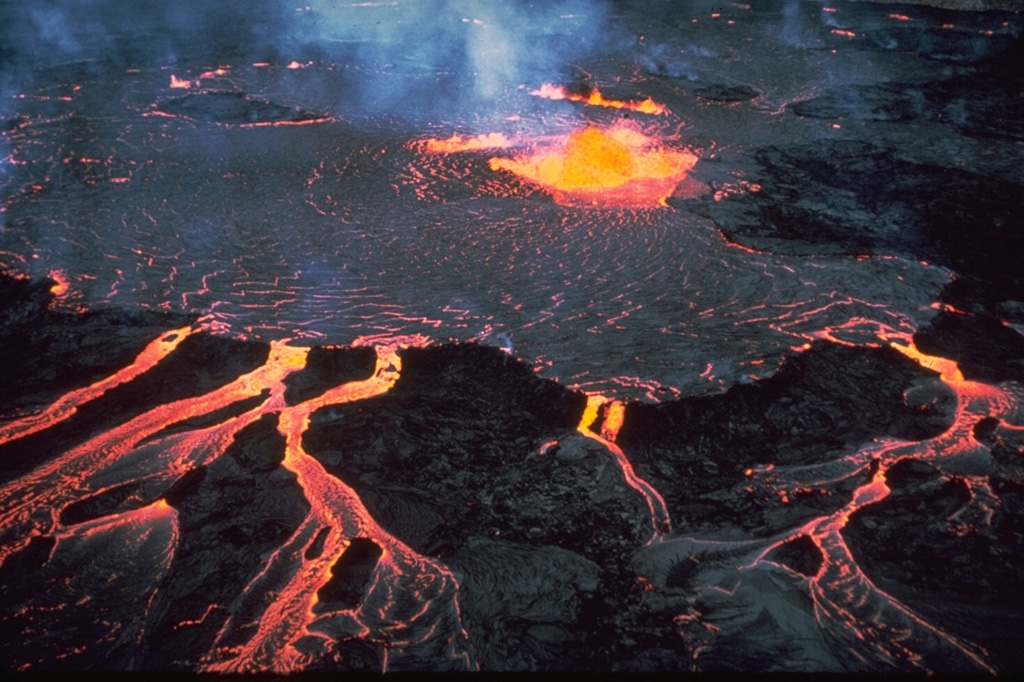
Report for Kilauea
The Hawaiian Volcano Observatory (HVO) reported that the eruption within Kilauea’s Kaluapele summit caldera, characterized by episodic fountaining, incandescence, and intermittent spatter at vents along the SW margin of Halema’uma’u Crater, continued at variable levels during 19-26 August. Incandescence at the N vent and the cracks above it was visible during 19-21 August. Spattering at the N vent was visible overnight during 20-21 August. Spatter bursts, Strombolian jetting, and low dome fountains were intermittently visible in webcam images starting at 1615 on 21 August and continuing at least through the morning of 22 August. Lava overflows from the vent occurred during that time, specifically at 2046 on 21 August and at 0103 and 0124 on 22 August. Spattering at the N vent became continuous at around 0830 on 22 August and then intensified; by 1145 lava overflows became sustained. The spattering had built up a cone inside the N vent, sealing off part of the vent. Fountaining that began at 1404 was arcuate and about 30 m high, and within 15 minutes was feeding multiple lava flows on the caldera floor. Sometime around 1600-1700 low spatter fountains at the S vent produced small lava flows. At 1923 a new vent opened in the intermediate area of glowing cracks between the N and S vents. Fountains at both the S vent and the new vent generally rose less than 10 m, though fountains at the new vent intensified later in the evening and rose as high as 30 m. The S vent ceased erupting at around 0040 on 23 August, the intermediate vent ceased about two hours later at 0246, and the N vent ceased at 0252. Approximately 8,400,000 cubic meters of lava had erupted during the 12.6 hours of fountaining, at an average of 185 cubic meters per second. Lava flows covered more than 75 percent of the caldera floor. Minor incandescence at the cone and across the lava flow field was seen during 23-24 August and at the N vent during 23-25 August. The Volcano Alert Level remained at Watch (the third level on a four-level scale) and the Aviation Color Code remained at Orange (the third color on a four-color scale).
Source: US Geological Survey Hawaiian Volcano Observatory (HVO)
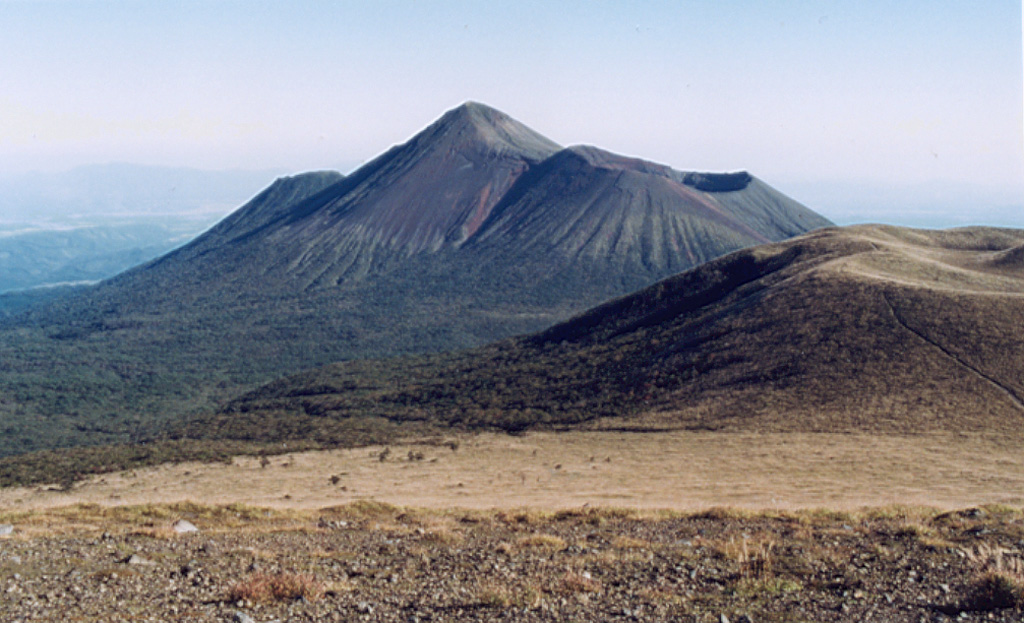
Report for Kirishimayama
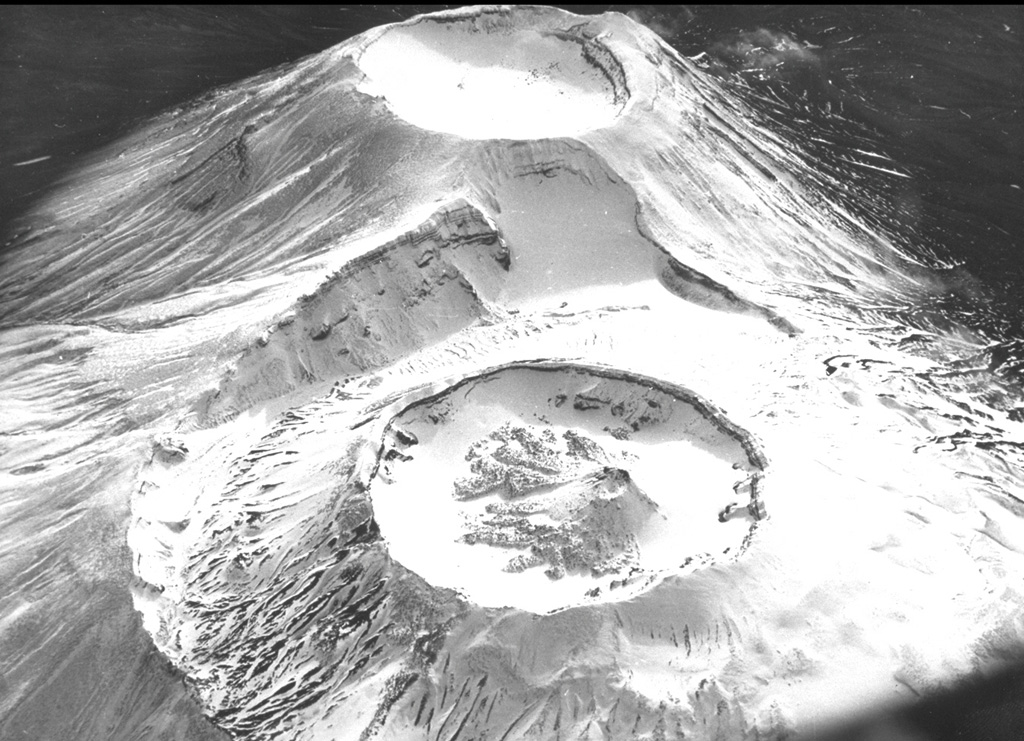
The Japan Meteorological Agency (JMA) reported that activity continued at Shinmoedake (Shinmoe peak, a stratovolcano of the Kirishimayama volcano group) during 18-25 August. The number of volcanic earthquakes located beneath Shinmoedake, first detected in late October 2024, continued to be frequent; no volcanic tremor was detected. White steam-and-ga plumes rose as high as 1.7 km above the crater rim and as high as 50 m from the fissures on the W flank. The Alert Level remained at 3 (on a 5-level scale) and the public was warned to exercise caution within 3 km from Shinmoedake Crater.
Source: Japan Meteorological Agency (JMA)
Report for Lewotolok
The Pusat Vulkanologi dan Mitigasi Bencana Geologi (PVMBG) reported that an eruption at Lewotolok was ongoing during 20-26 August. Dense white-to-gray ash plumes rose 300-600 m above the summit of the cone and drifted W during 20-23 and 26 August. A nighttime webcam image at 2022 on 23 August showed incandescent material being ejected above the cone and onto the flanks. The Alert Level remained at 3 (on a scale of 1-4) and the public was warned to stay 3 km away from the summit.
Source: Pusat Vulkanologi dan Mitigasi Bencana Geologi (PVMBG, also known as CVGHM)
Report for Poas
The Observatorio Vulcanológico y Sismológico de Costa Rica-Universidad Nacional (OVSICORI-UNA) reported continuing gas-and-steam emissions with occasional minor amounts of ash at Poás during 19-26 August. Variable incandescence at Boca A vent continued to be visible at night. The temperature of the gas-and-steam emissions at Boca A were measured with infrared webcam images, by drone, and at varying distances during field visits; the temperatures varied by a few hundred degrees Celusis day-to-day but remained at high levels, as high as 520 degrees during 16-22 August. The emissions drifted WSW. A period of continuous ash-and-gas emissions began at 0800 on 20 August and lasted for a few hours. The plumes rose 200 m above the crater rim and drifted SW. The volcanic Alert Level remained at 2 (the second lowest level on a four-level scale).
Source: Observatorio Vulcanologico y Sismologico de Costa Rica-Universidad Nacional (OVSICORI-UNA)
Report for Reventador
The Instituto Geofísico-Escuela Politécnica Nacional (IG-EPN) reported that eruptive activity continued at Reventador during 19-26 August. Seismicity included 56-104 daily explosions, long-period earthquakes, harmonic tremor, and tremor associated with emissions. Daily ash-and-gas plumes visible in webcam and/or satellite images rose as high as 1.3 km above the crater rim and drifted in multiple directions, though mainly NW, W, and SW. Webcams recorded multiple nightly instances of incandescent material descending the flanks as far as 1.1 km below the crater rim. Cloudy weather occasionally obscured views. Secretaría de Gestión de Riesgos (SGR) maintained the Alert Level at Orange (the second highest level on a four-color scale).
Sources: Instituto Geofísico-Escuela Politécnica Nacional (IG-EPN), Secretaría de Gestión de Riesgos (SGR)
Report for Sangay
The Instituto Geofísico-Escuela Politécnica Nacional (IG-EPN) reported that the eruption continued at Sangay during 19-26 August. The seismic network recorded 32-90 explosions each day. Ash-and-gas plumes were observed on most days in webcam and/or satellite images rising as high as 900 m above the summit and drifting mainly W and SW, though weather clouds often obscured views. Overnight during 19-20 and 22-23 August incandescent material was seen descending the NW flank as far as 600 m. Secretaría de Gestión de Riesgos (SGR) maintained the Alert Level at Yellow (the second highest level on a four-color scale).
Sources: Instituto Geofísico-Escuela Politécnica Nacional (IG-EPN), Secretaría de Gestión de Riesgos (SGR)
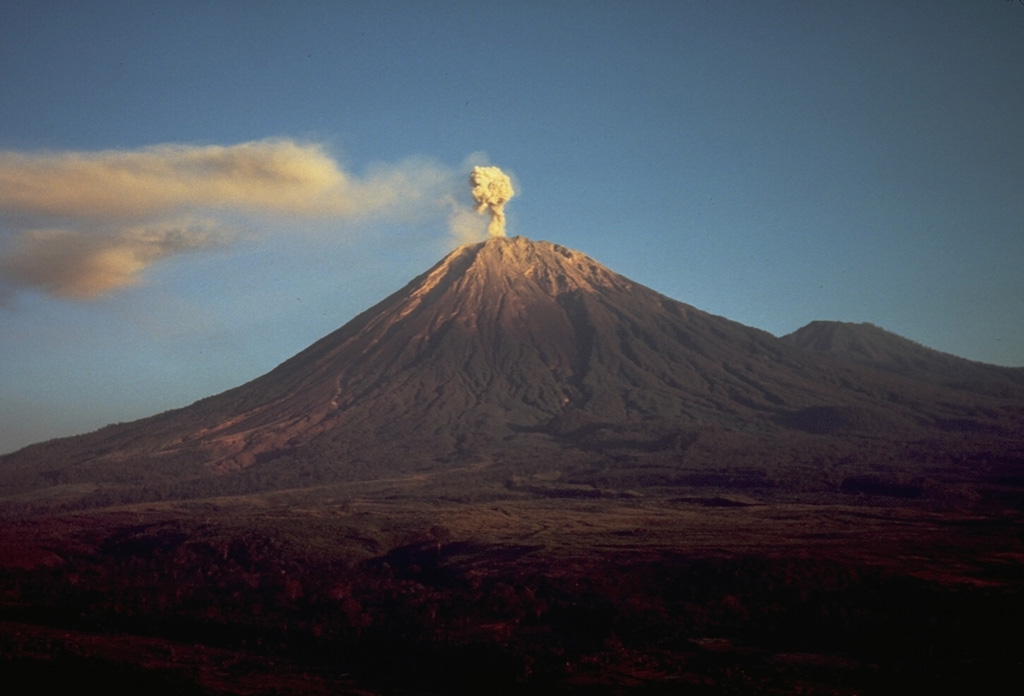
Report for Semeru
The Pusat Vulkanologi dan Mitigasi Bencana Geologi (PVMBG) reported that activity continued at Semeru during 6-12 August, sometimes with multiple daily eruptive events recorded by the seismic network. Daily white-and-gray or gray ash plumes rose 200-1,000 m above the summit and drifted N, NW, W, and SW. The Alert Level remained at 2 (the second lowest level on a scale of 1-4). The public was warned to stay at least 3 km away from the summit in all directions, 8 km from the summit to the SE, 500 m from the banks of the Kobokan drainage as far as 13 km from the summit, and to avoid other drainages including the Bang, Kembar, and Sat, due to lahar, avalanche, and pyroclastic flow hazards.
Source: Pusat Vulkanologi dan Mitigasi Bencana Geologi (PVMBG, also known as CVGHM)
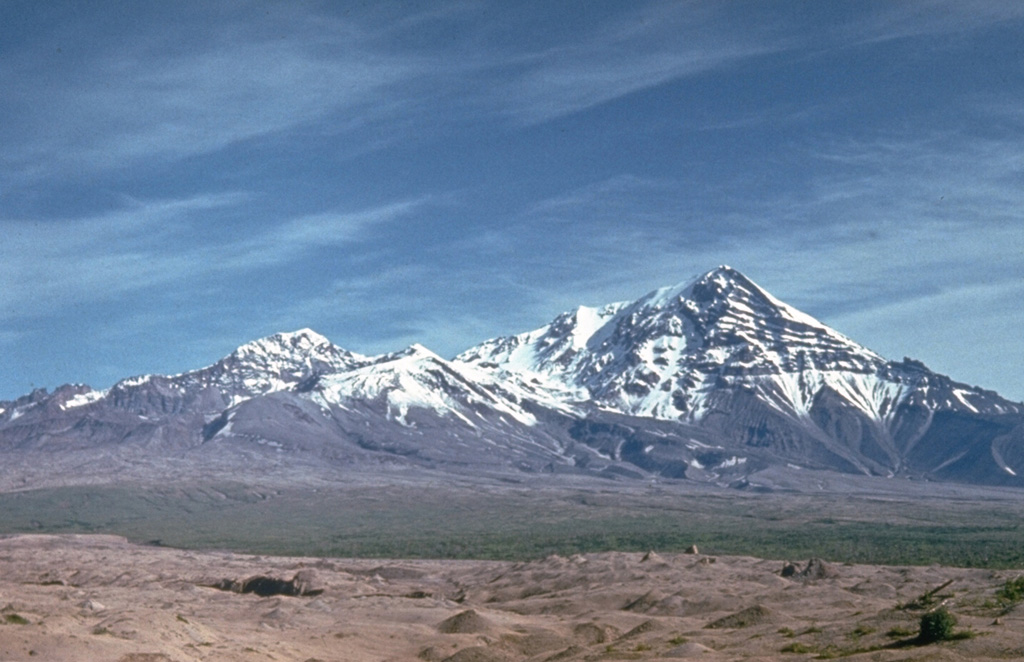
Report for Sheveluch
The Kamchatkan Volcanic Eruption Response Team (KVERT) reported continuing eruptive activity at Sheveluch’s “300 years of RAS” dome on the SW flank of Old Sheveluch and at the Young Sheveluch dome during 14-21 August. Thermal anomalies over the domes were identified in satellite images during 15-17 and 19 August; weather clouds obscured views on the other days. The Aviation Color Code remained at Orange (the second highest level on a four-color scale). Dates are based on UTC; specific events are in local time where noted.
Source: Kamchatkan Volcanic Eruption Response Team (KVERT)
Report for Suwanosejima
The Japan Meteorological Agency (JMA) reported that eruptive activity at Suwanosejima's Ontake Crater continued during 18-25 August. Incandescence was observed nightly in webcam images. Eruptive events during 18-20 and 23-24 August produced ash plumes that rose 1-1.7 km above the crater rim and drifted in multiple directions. Explosions at 0120 and 0804 on 19 August, at 0914 and 1609 on 23 August, and at 2223 on 24 August produced ash plumes that rose 1.2-1.5 km above the crater rim and drifted in multiple directions; plumes from the explosion at 2223 rose straight up. Large blocks were ejected 300 m above the crater rim. The Alert Level remained at 2 (the second level on a five-level scale) and the public was warned to be cautious within 1.5 km of the crater.
Source: Japan Meteorological Agency (JMA)
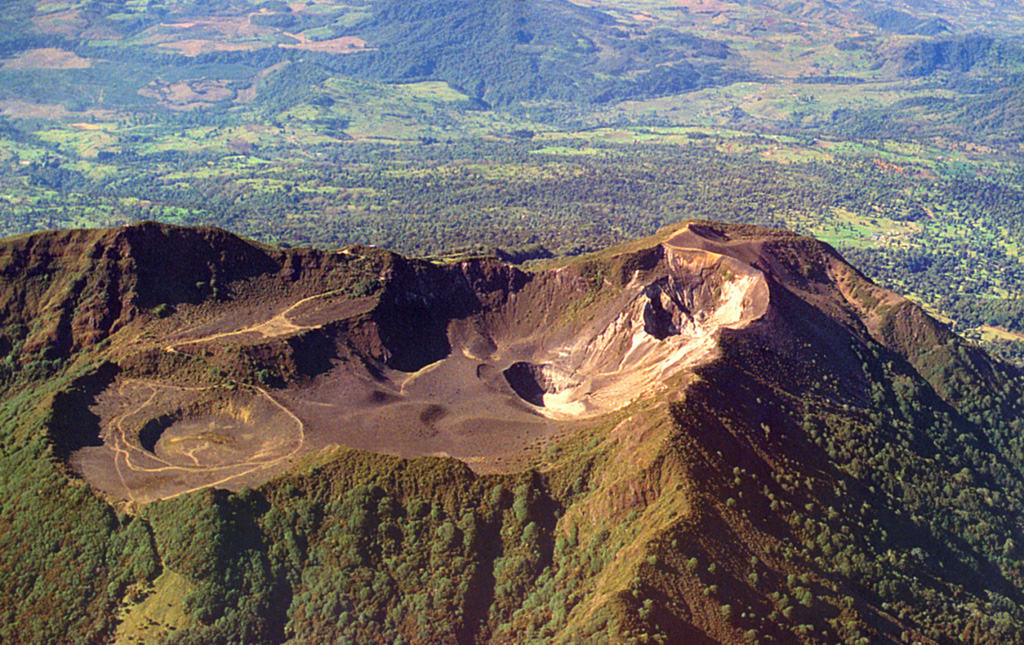
Report for Turrialba
The Observatorio Vulcanológico y Sismológico de Costa Rica-Universidad Nacional (OVSICORI-UNA) reported that small landslides from the inner walls of Turrialba’s West Crater were detected at 0620, 0704, and 2119 on 21 August. The event at 0620 produced a small ash-and-gas plume that drifted W.
Source: Observatorio Vulcanologico y Sismologico de Costa Rica-Universidad Nacional (OVSICORI-UNA)
Report for Ulawun
The Rabaul Volcano Observatory (RVO) reported that activity at Ulawun was low during 1-20 August. Summit emissions occasionally observed during periods of clearer weather were characterized as white with variable densities; weather clouds obscured views of the summit on most days. There were reports of brief periods of minor summit incandescence observed from the Bakada and Likuranga areas to the NE, but those observations were unconfirmed. Seismicity was dominated by small low- and high-frequency volcanic earthquakes, with low-frequency earthquakes being the dominant signal. Occasionally periods of low-level volcanic tremors were recorded by the seismic network, lasting between one hour and several hours. The Alert Level remained at Stage 1 (the lowest level of a four-stage scale).
Source: Rabaul Volcano Observatory (RVO)